Get your ticket for our Homeless Families Conference: Dare to Hope 2026

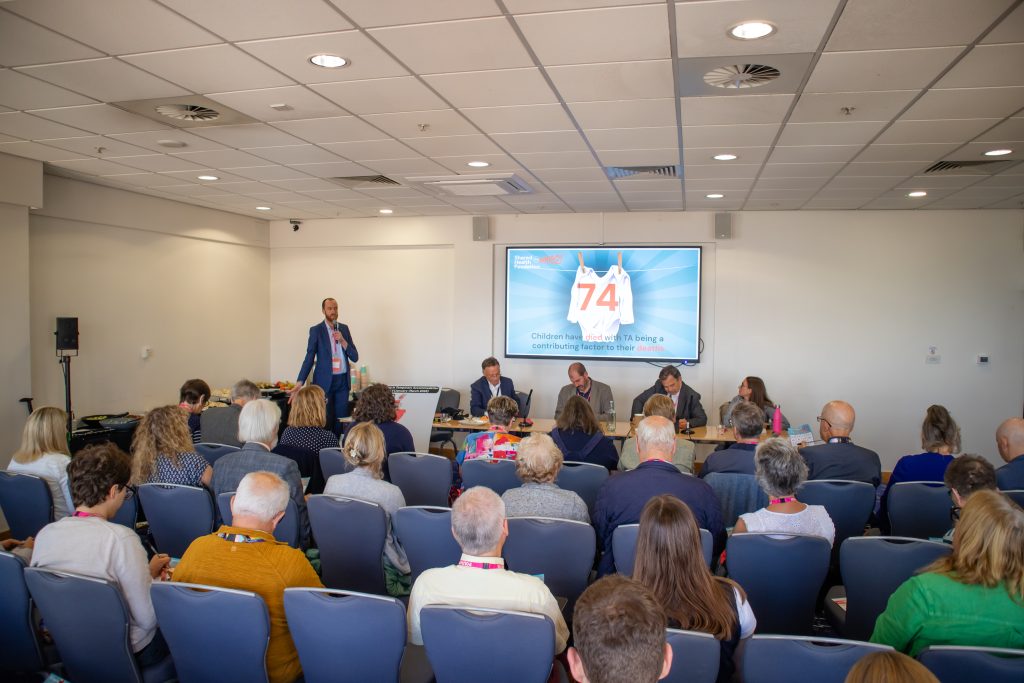
There are 172,420 homeless children in England living in Temporary Accommodation. Many are living in dangerous conditions with little support to help them navigate through our complex systems. Families are continuously placed out of area, far away from their school, GP and community. The educational attainment of homeless children plummets when they become homeless. The barriers to healthcare increases and childrenโ€™s health and development suffer. There is a national focus and political will for rough sleeping, but less so for families. And tragically, 74 children have died in Temporary Accommodation, most were under 1.

And yet, we dare to hope.

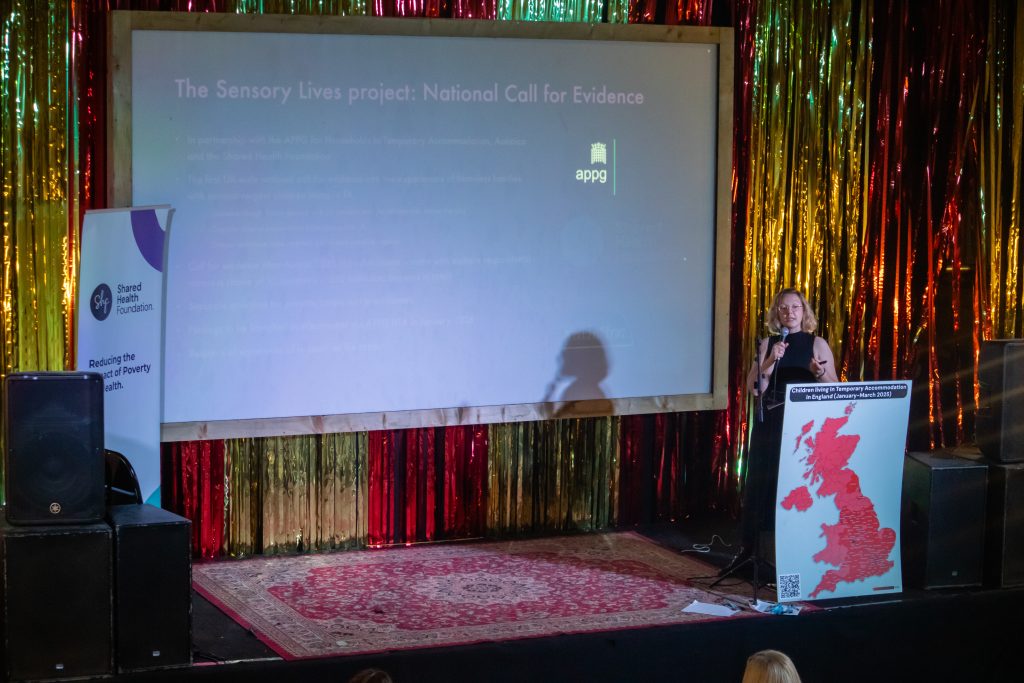
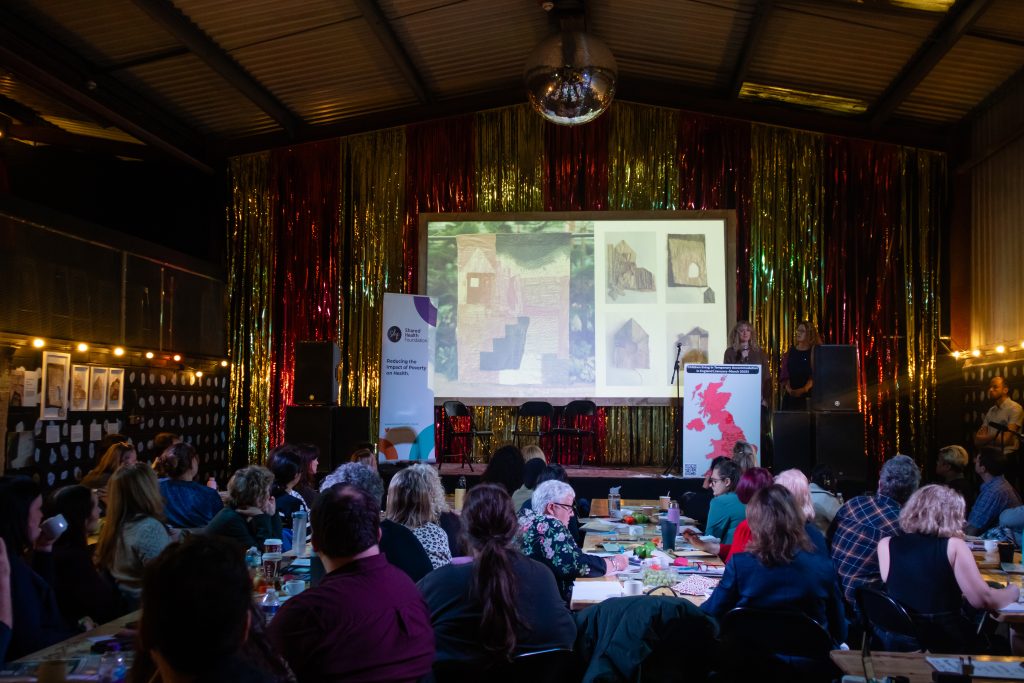
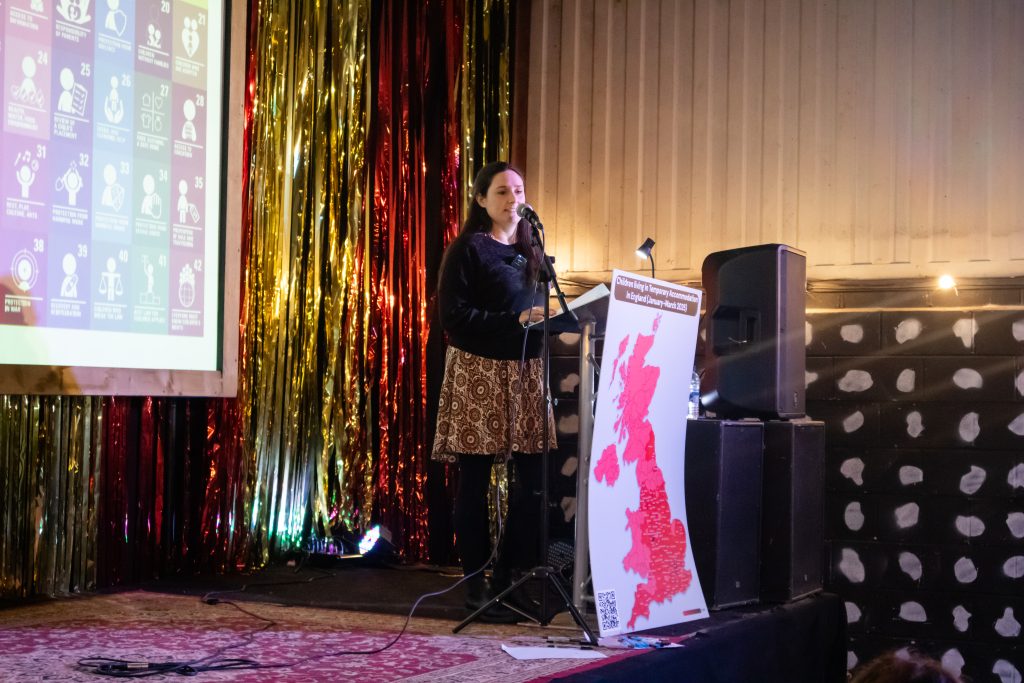
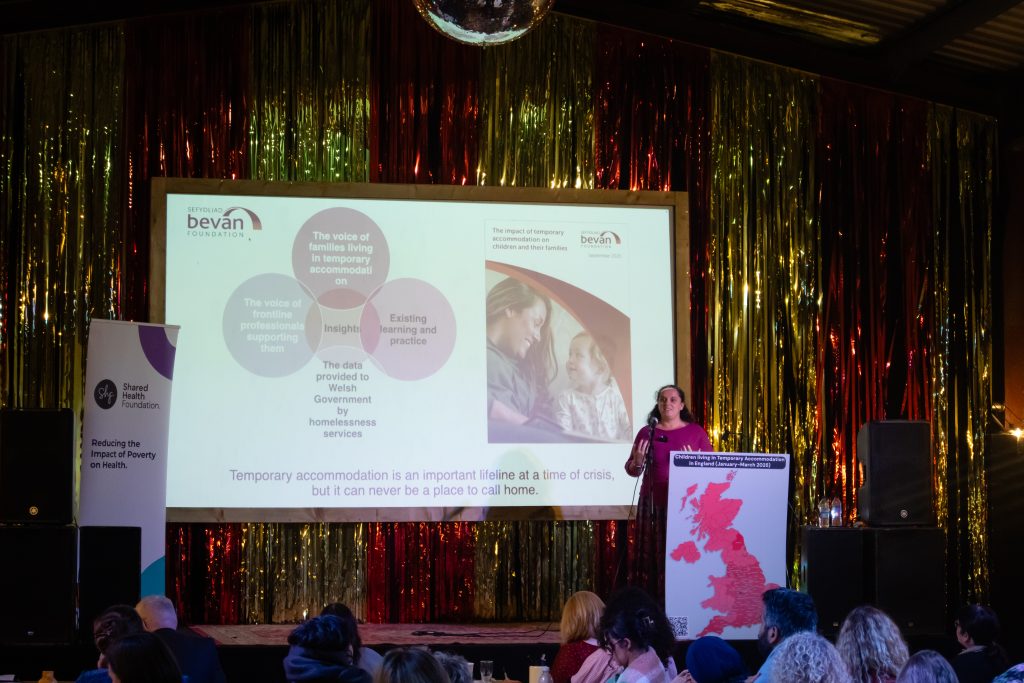
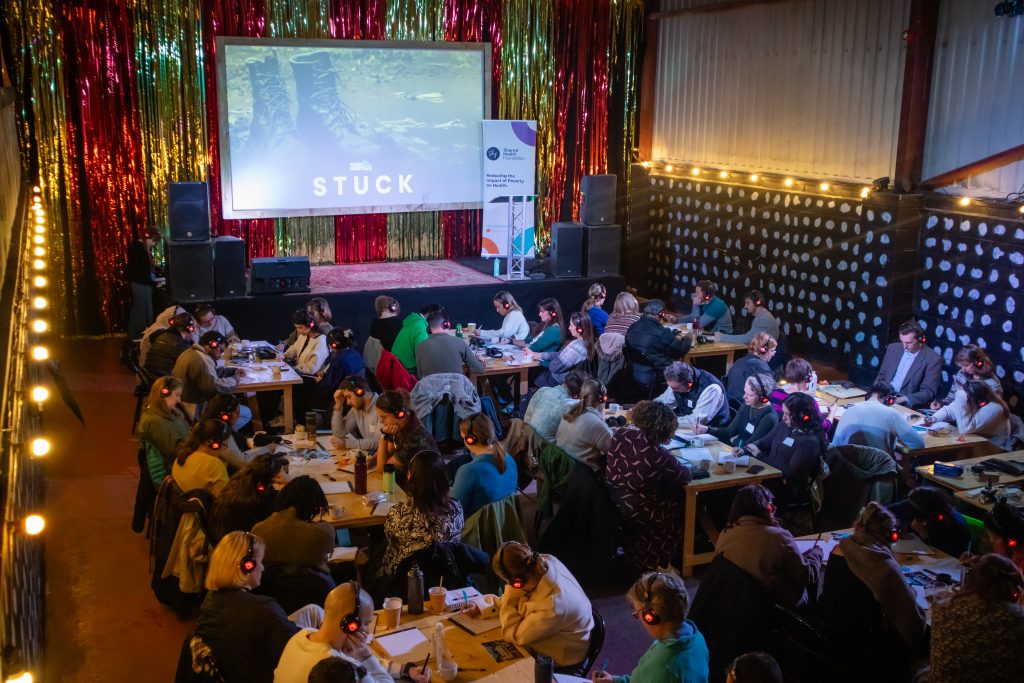
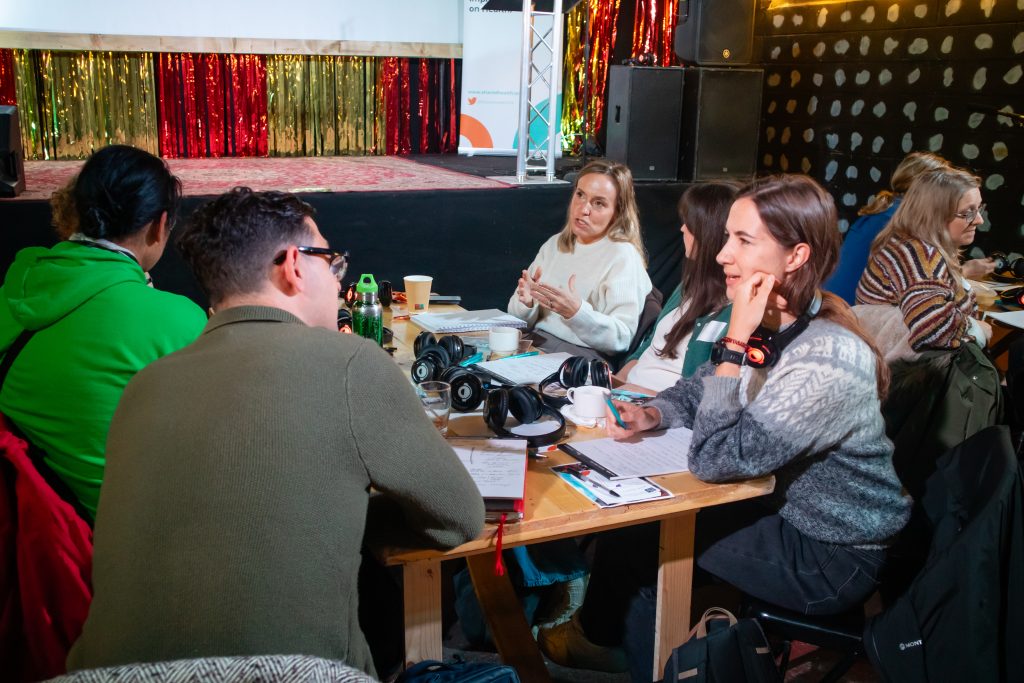
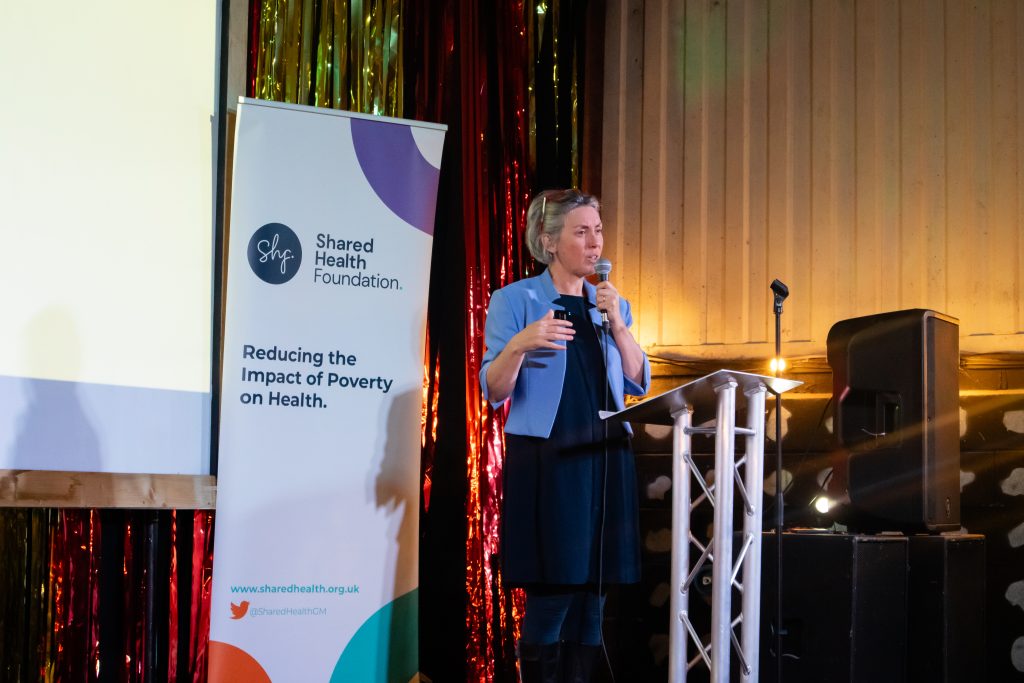
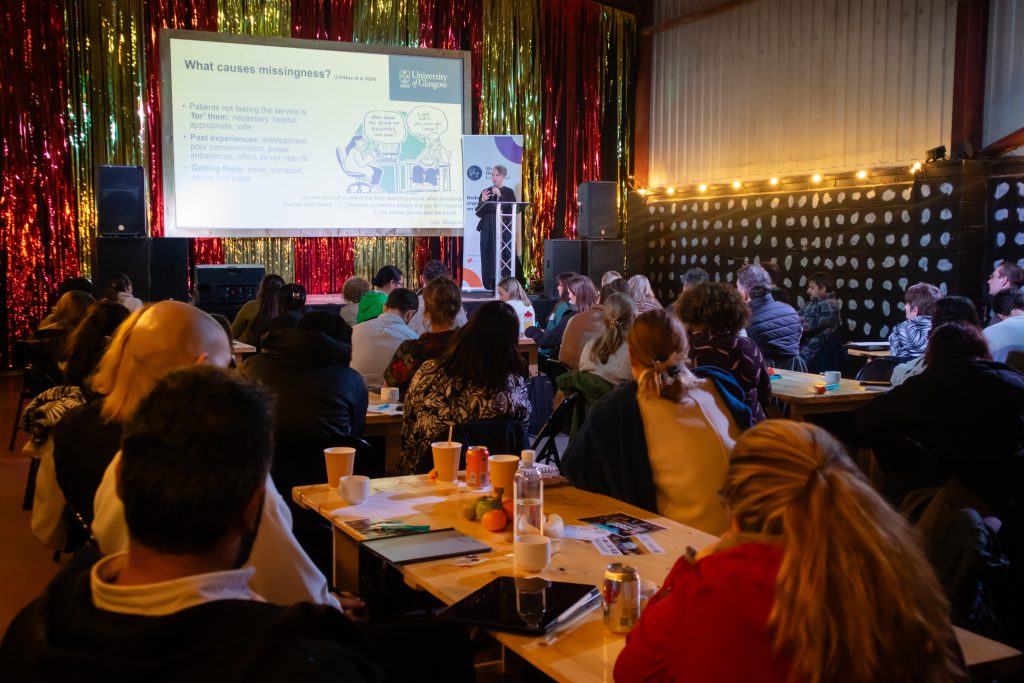
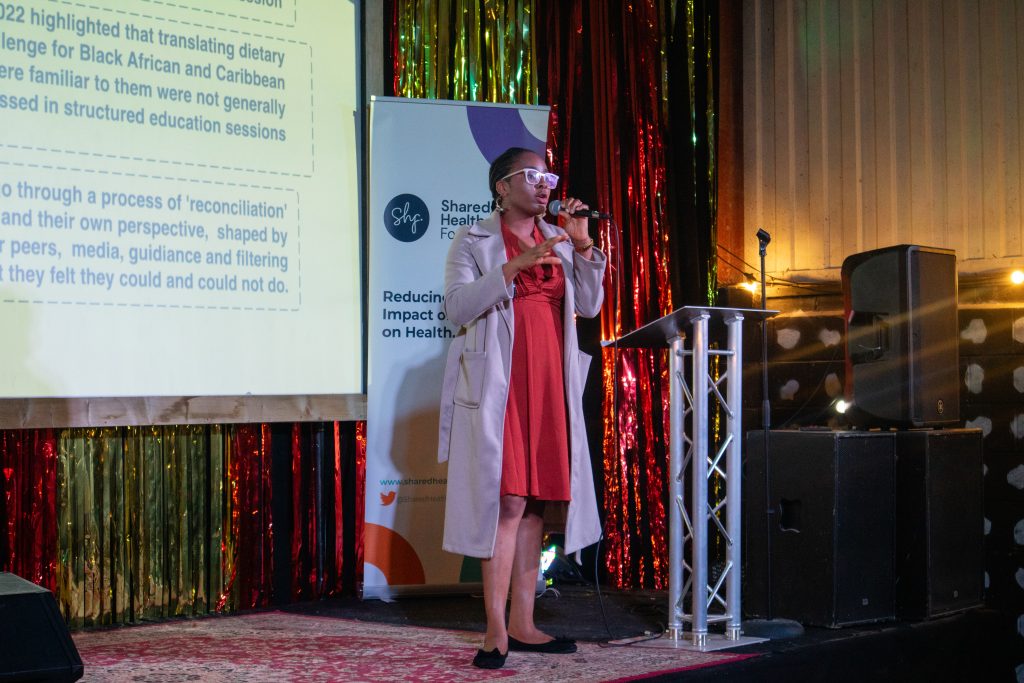
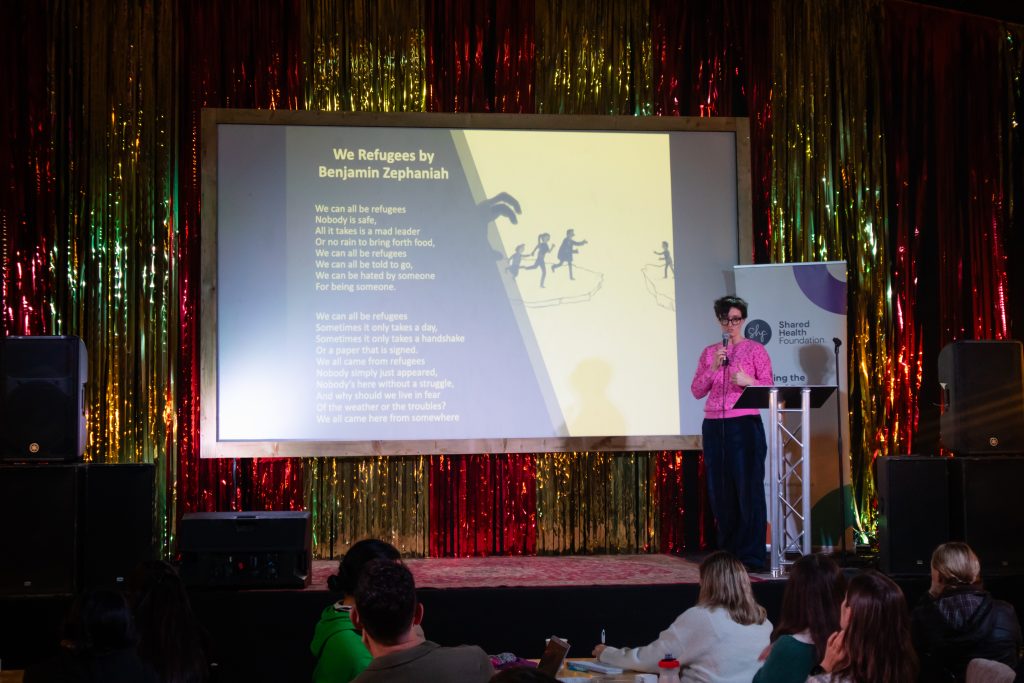
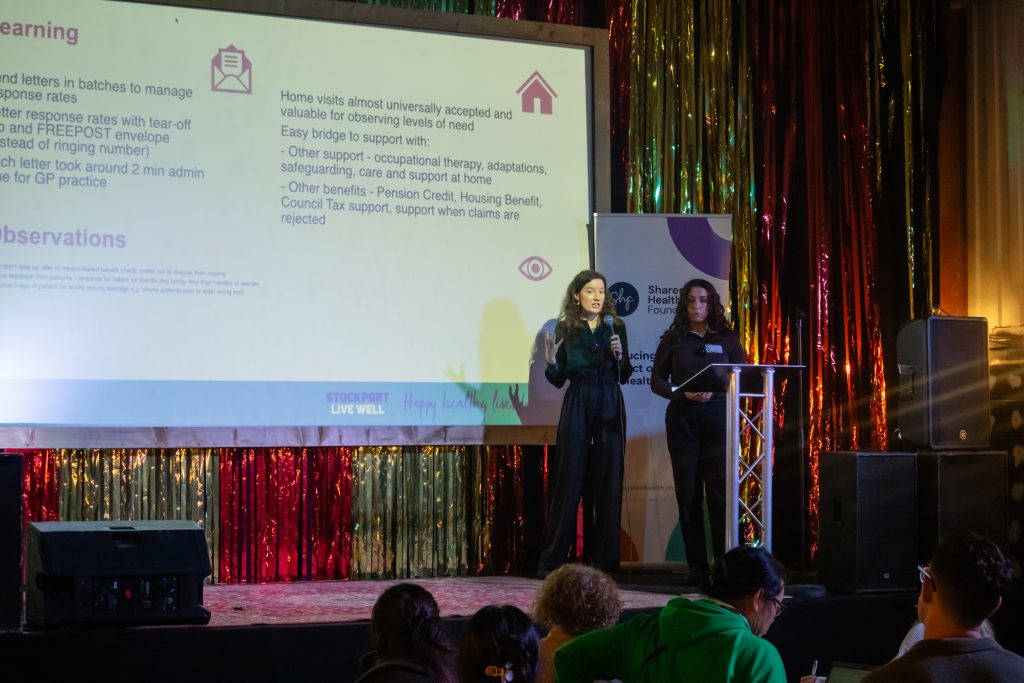
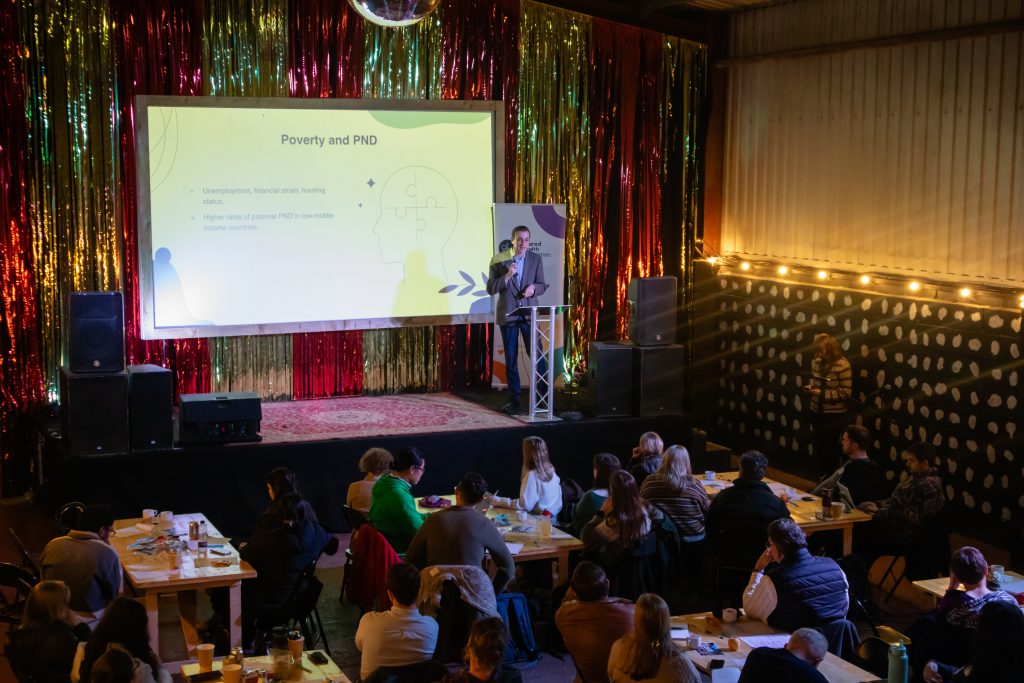
Our annual Homeless Families Conference, held on Thursday 6th November 2025, brought together experts by experience alongside colleagues from housing, health, education, the home office and the voluntary and faith sector. Whether you are front line, a volunteer, a commissioner or a politician, the crisis of homeless families is all our responsibility to share.

Things can and will get better.

The video recordings of all the talks can be found on our YouTube channel, please do watch and share with your colleagues.

We look forward to hosting more gatherings to look at and work to improve the health and education outcomes for children and families in the homelessness journey.

For more information about Shared Health, please email contact@contactsharedhealth.org.uk

If you would like to attend our Homeless Families Conference: Dare to Hope next year, sign up for our mailing list to receive updates.

Get your ticket for Doctors in Deprivation Training Day: Find Your Tribe 2026

Good health should be shared with all. It should not be damaged by social or economic disadvantage.

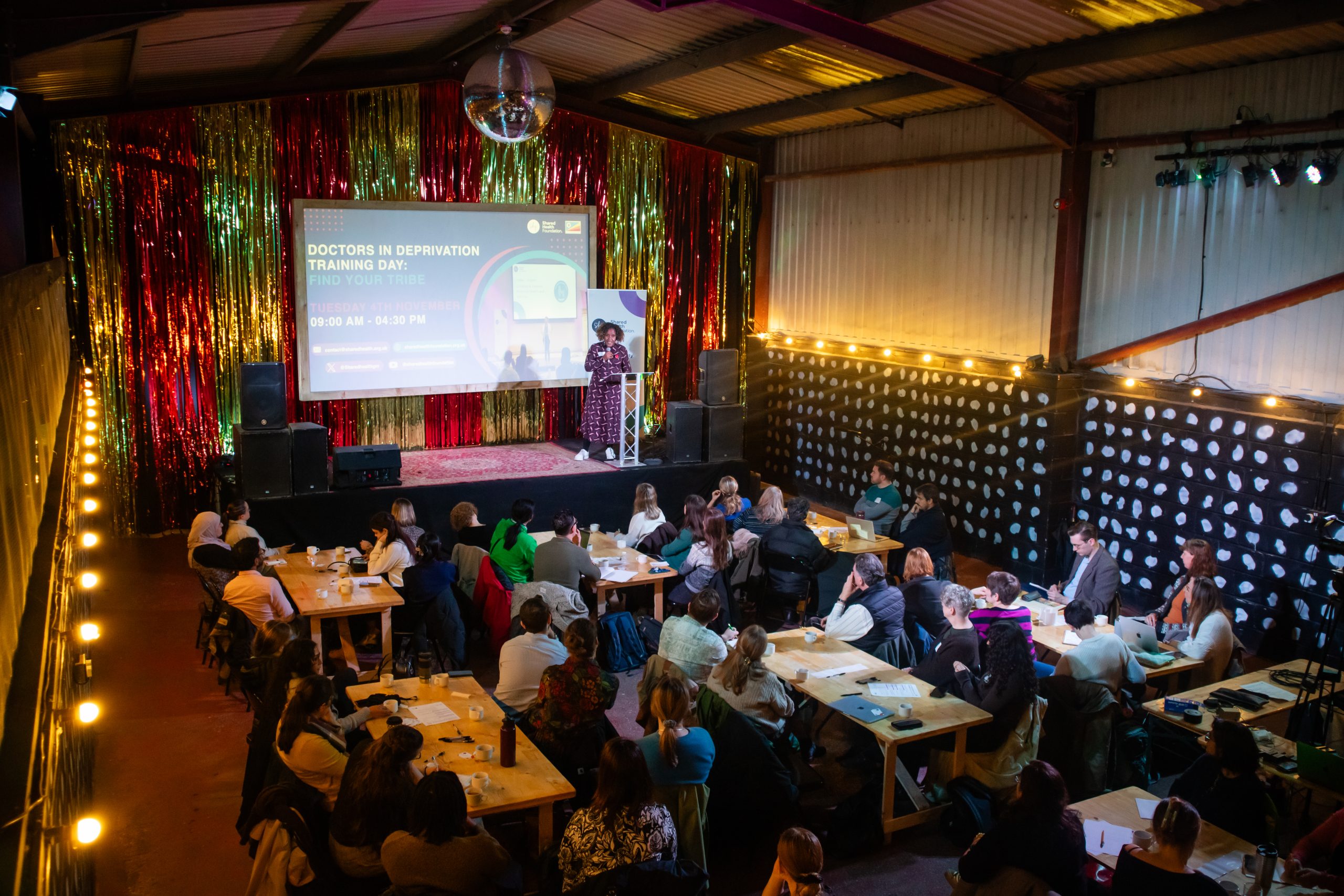
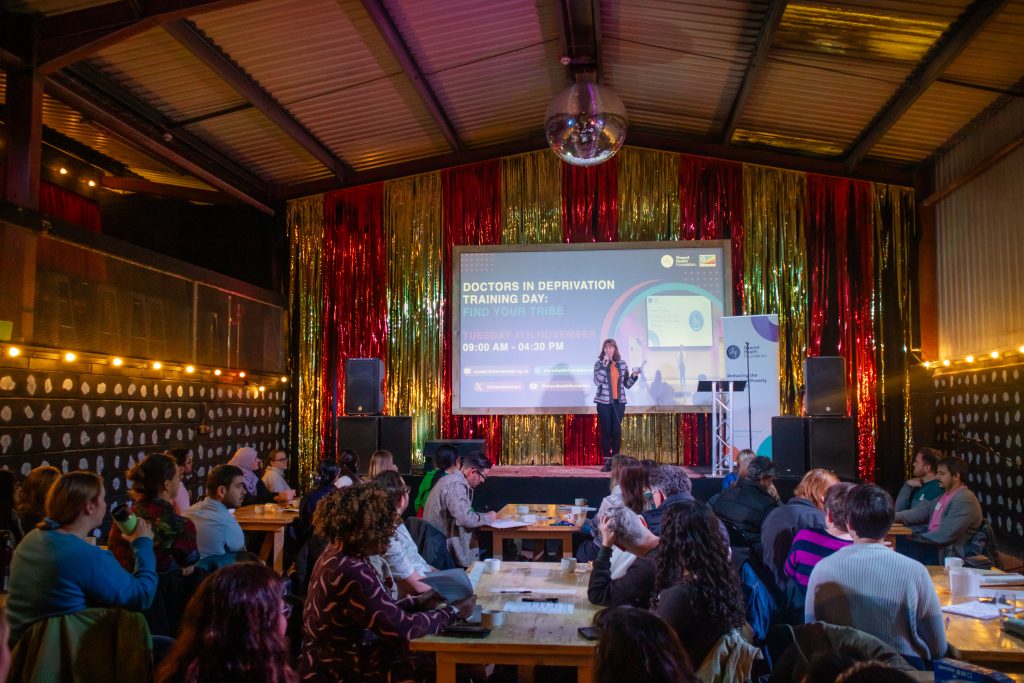
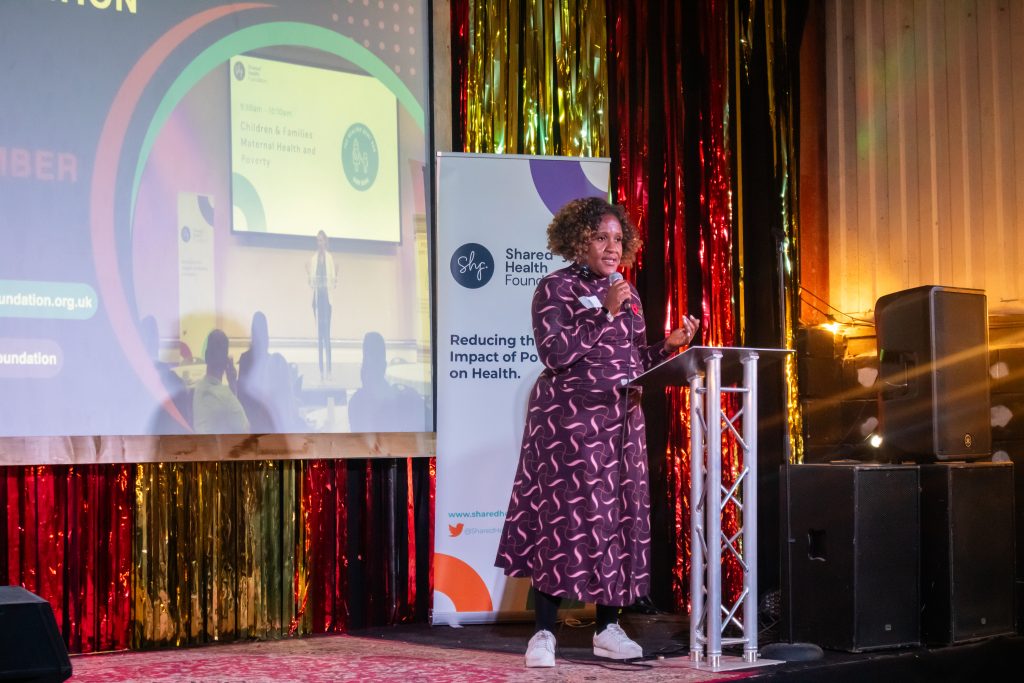
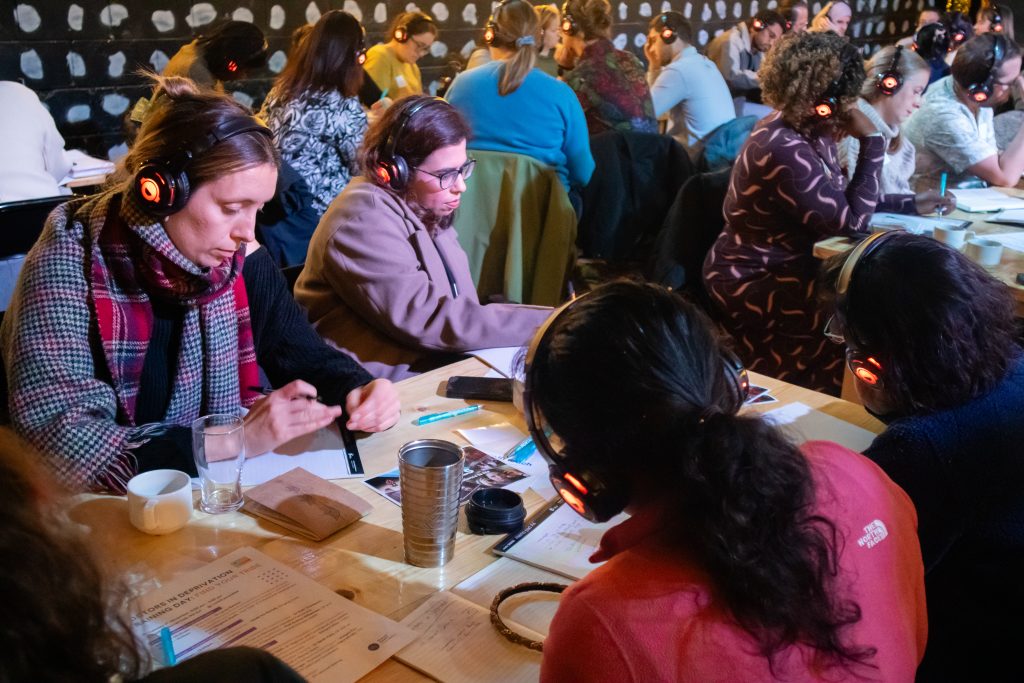
Alongside colleagues from Deep End GM, Shared Health Foundation held its annual Doctors in Deprivation Training Day on Tuesday, 4th November 2025. GPs and Clinical Leads working in the Deep End of medicine were invited to come and be inspired, challenged, encouraged and most importantly, find their tribe of other clinicians working in areas of deprivation.

The training day explored the challenges faced by those working in areas of deprivation and disadvantaged communities and shared the hopeful work organisations in Greater Manchester and beyond are doing to reduce health inequalities and the impact of poverty on health.

We hope that after the training day, attendees’ skills, outlook, and understanding have been transformed, and they feel more hopeful in their vital grassroots work.

The video recordings of all the talks can be found on our YouTube channel, please do watch and share with your colleagues.

We are proud to be part of the Deep End Network and look forward to hosting more gatherings to look at the impact of poverty on health in our communities.

For more information about Shared Health, please email contact@contactsharedhealth.org.uk

If you would like to receive further updates about our work and events, sign up for our mailing list.

Job description

Role title: Health Policy Implementation Lead

Contract type: Fixed-term or permanent, Part-time (30 hours)

Location: Office based in Oldham, Greater Manchester with travel around the UK.

Start date: April 2026.

Salary: ยฃ35k depending on experience. (FTE, pro rata 30 hours)

For an informal discussion around this role, please email sam.pratt@sharedhealth.org.uk

Application deadline: Monday 16th March 2026

Role summary:

Shared Health Foundation is a not-for-profit organisation which is passionate reducing the impact of poverty on health. We are clinically led, and evidence based.

We are brave, determined and solution focused and are absolutely committed to raising awareness and bringing change for the experience of families who are homeless living in Temporary Accommodation.

Shared Health has been advocating for change since 2018 and is proud to have been able to influence the conversation around homeless families in Greater Manchester, and nationally, through being co-secretariat of the All-Party Parliamentary Group for Households in Temporary Accommodation. This role specialises in the people and policies that can positively impact the health outcomes for children living in temporary accommodation (TA).

The successful candidate will have an interest in the health inequalities fields, and an understanding of how these outcomes can impact children. They will have a strong understanding of how to build supportive and effective relationships with professionals and also have an eye for detail in helping gather evidence, understand data, and make recommendations for change.

They will understand how policies are changed within the NHS and have the tenacity and kindness to influence decision makers. The candidate will be advocating for the most vulnerable.

Main responsibilities:

โ—  Advocate for the implementation of the commitments set in the National Plan for Ending Homelessness for the NHS and other health colleagues.

โ— Formalise and facilitate an existing informal network of healthcare professionals interested in gathering evidence and supporting advocacy within their professional roles.

โ— Engage with the NHS, ICB and Public Health around the issues of Temporary Accommodation for children.

โ— Lead a pilot project to be held in hospitals to produce a data set for admissions and accident rates for children in Temporary Accommodation.

โ— Increase visibility of Shared Health Foundationโ€™s recommendations for change within professional bodies, including but not restricted to the Royal Colleges of Medicine, Public Health England, and the Institute of Health Visitors.

โ— Work with practitioners, researchers and data collectors for national policy influence for maternal and child health in TA.

โ— Support civil servants at the Department of Health and Social Care to produce guidance.

Personal specification

Experience

Essential

– Engaging with health and sectors and professionals to see change implemented.

– Experience and/or knowledge of the impacts of health inequalities.

– Working with people from a variety of backgrounds and forging strong relationships.

– Public speaking and presentation experience.

Desirable

– Previously worked within the VCSE sector.

– Understanding of data collection and analysis.

Qualifications

Desirable

– Politics or health related qualification, either A-level or degree standard.

Skills and Knowledge

Essential

– Understanding of UK politics and current affairs.

– Knowing how to influence decision makers.

Desirable

– An understanding of the housing process for families in the UK.

– An understanding of the impact of homelessness on children and adults.

Other

Essential

– Builds good relationships

– Is able to be professional and understand professional boundaries.

– Is an encourager, but knows when to stand up for what is right too.

Applications without a cover letter will not be considered.

Application deadline: Monday 16th March 2026

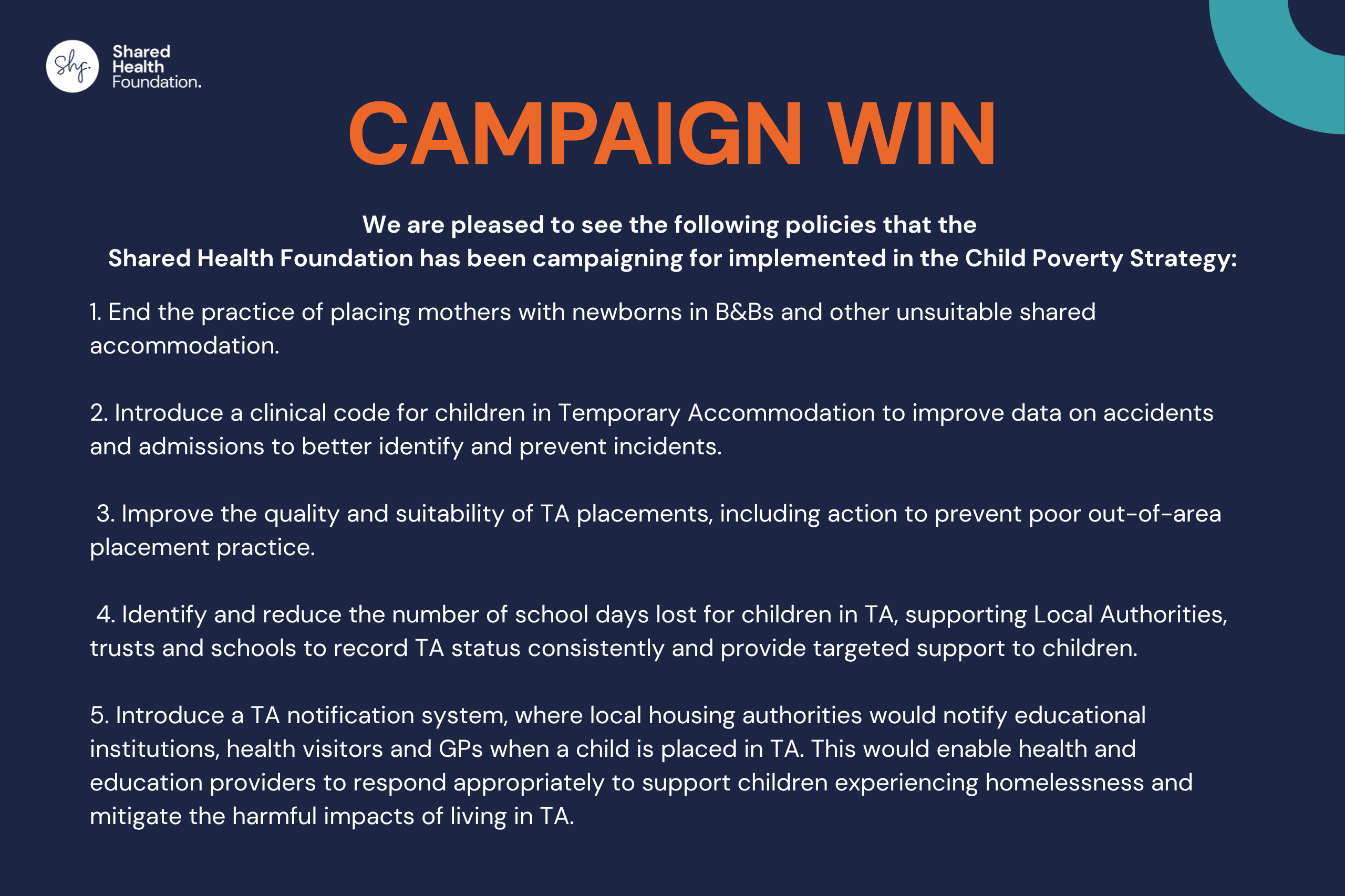
On Friday, 5th December, the Government released itsย Child Poverty Strategy, committing to support for households in Temporary Accommodation.ย We are pleased to see the following policies that we have been continuously campaigning for implemented in the Strategy:

1. End the practice of placing mothers with newborns in B&Bs and other unsuitable shared accommodation. This will help reduce the risk of child mortality in Temporary Accommodation, an issue that Shared Health has highlighted through our collaborative work with the National Child Mortality Database (NCMD).

2. Introduce a clinical code for children in Temporary Accommodation to improve data on accidents and admissions to better identify and prevent incidents.

3. Improve the quality and suitability of Temporary Accommodation placements, including action to prevent poor out-of-area placement practice.

 4. Identify and reduce the number of school days lost for children in Temporary Accommodation, supporting Local Authorities, trusts and schools to record Temporary Accommodation status consistently and provide targeted support to children.

5. Introduce a Temporary Accommodation notification system, where local housing authorities would notify educational institutions, health visitors and GPs when a child is placed in Temporary Accommodation. This would enable health and education providers to respond appropriately to support children experiencing homelessness and mitigate the harmful impacts of living in Temporary Accommodation. 

This is a change that the All-Party Parliamentary Group for Households in Temporary Accommodation, of which the Shared Health Foundation is a co-secretariat, has continuously campaigned for through theย SAFE Protocol Campaign.

The SAFE campaign, launched by the APPG for Households in Temporary Accommodation in February 2025, aimed to foster increased collaboration between local authorities and their support services when a homeless household is placed in Temporary Accommodation. The campaign called for a legal duty on local councils to notify GP surgeries and schools when a child is placed in Temporary Accommodation, to allow for a more holistic support for households in Temporary Accommodation.

Dr Laura Neilson, CEO of the Shared Health Foundation, said:

“We are delighted that the Government is committing practical measures to reduce the impact of homelessness on children and are encouraged at the changes announced today.

Children living in temporary accommodation is a national scandal and needs to be consigned to history. All children should have somewhere safe to live, access to education and support.

Shared Health Foundation has continuously campaigned, launched pilots, submitted evidence and written guidance calling for the Governmentโ€™s commitment to better support children in temporary accommodation. We are pleased to see that our recommendation for a notification system for GPs and schools is being implemented in the Child Poverty Strategy.

We encourage ministers to ensure that all actions announced today are implemented with urgency. We look forward to working closely with ministers and the sector.”

We will continue campaigning for better conditions for families and children in Temporary Accommodation. 

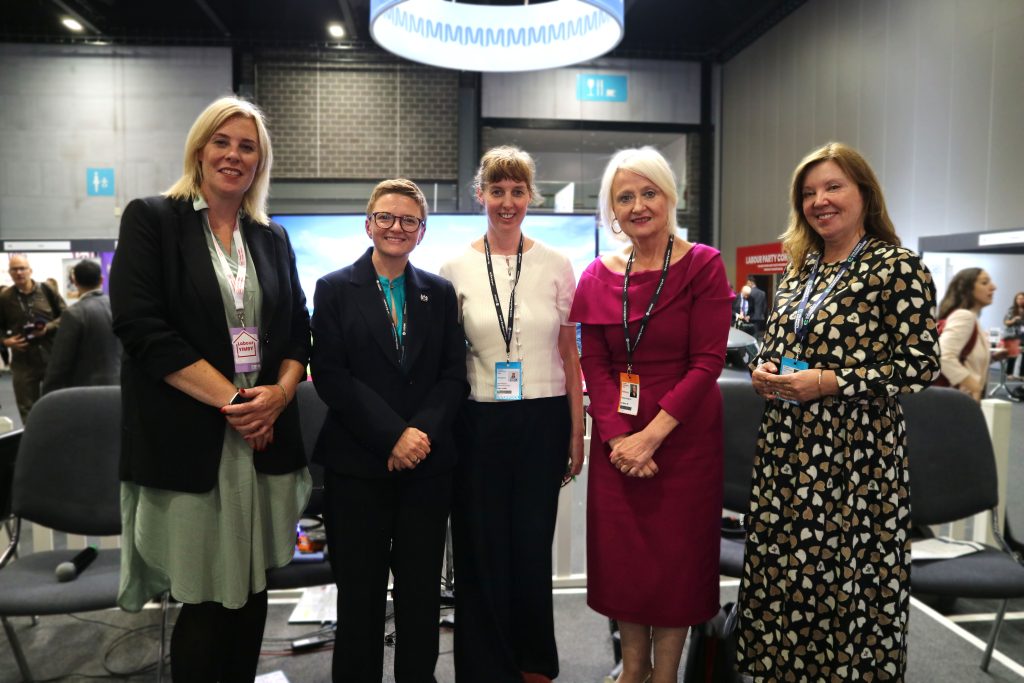
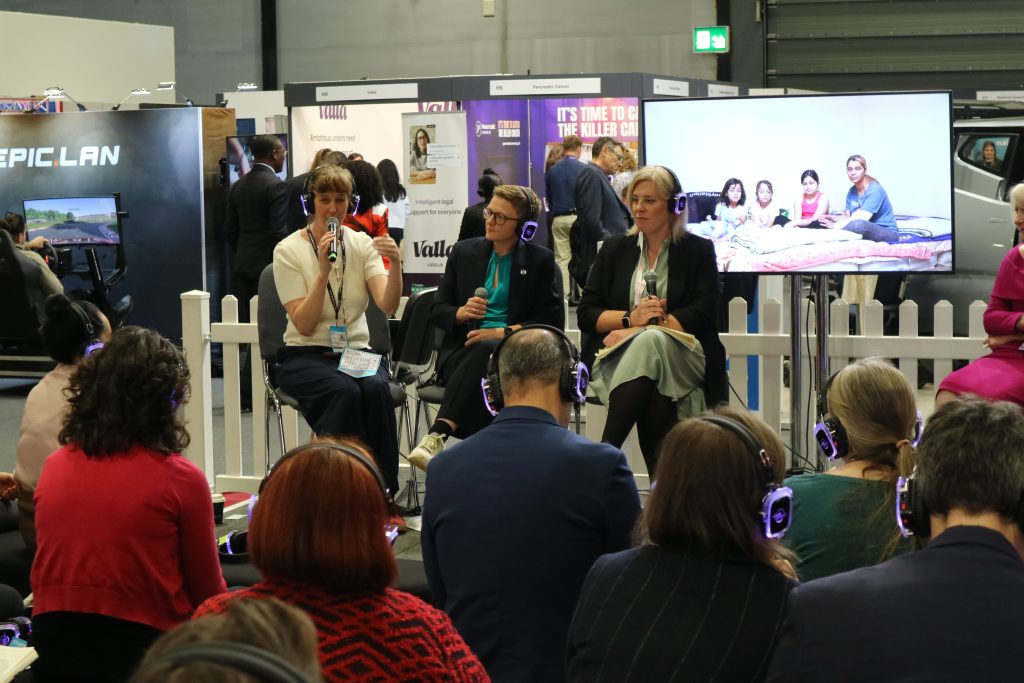
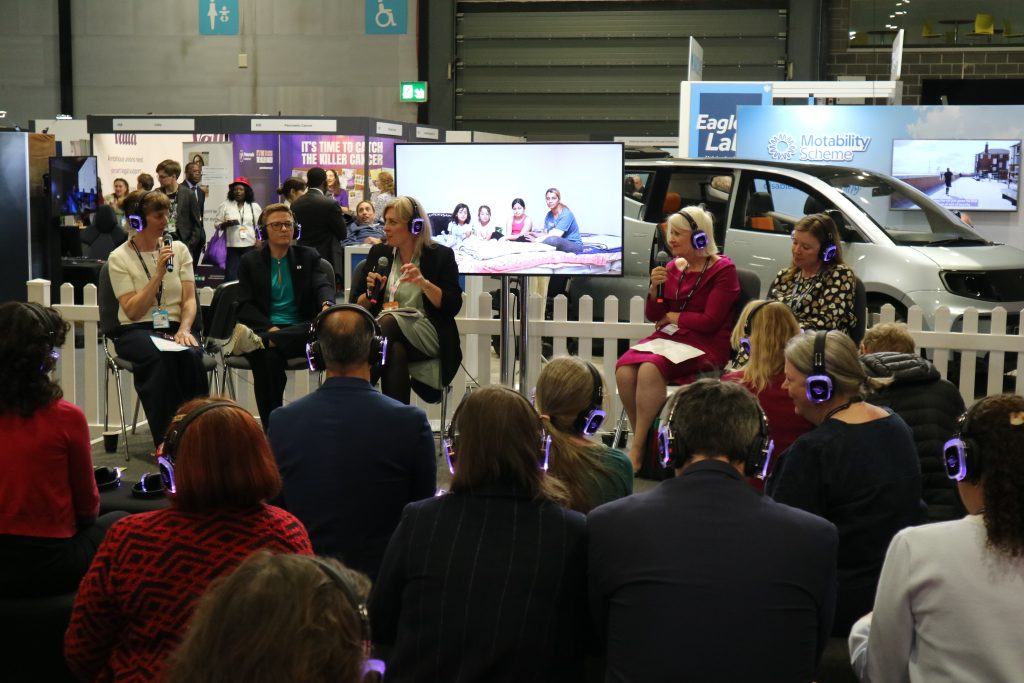
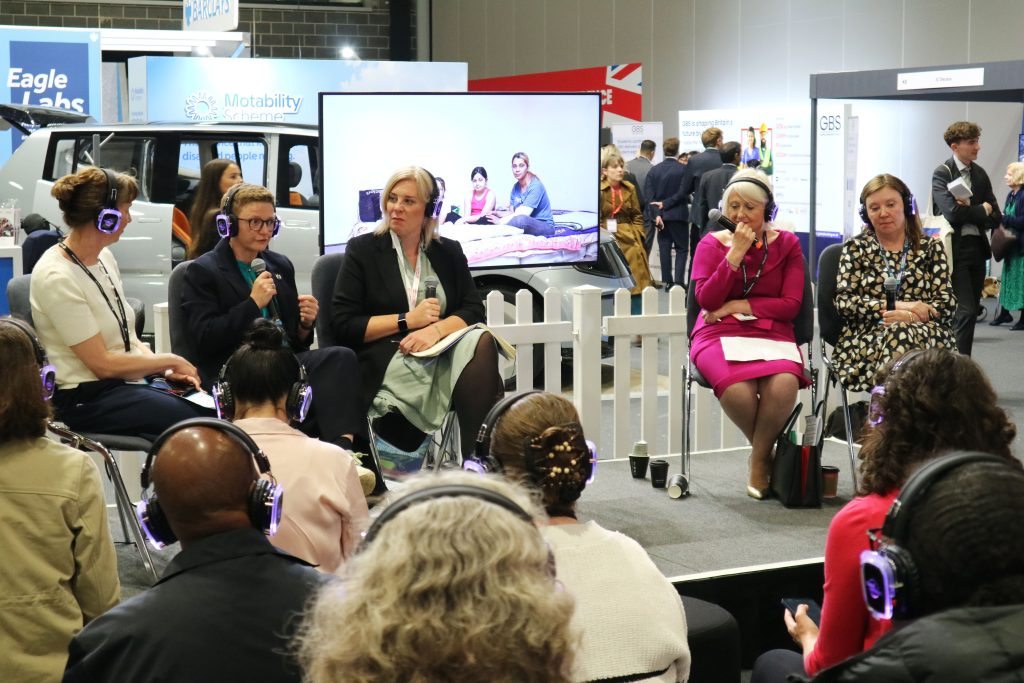
Thank you to everyone who attended our fringe event at the Labour Party’s Autumn Conference on Monday, 29th September, and special thanks to our guest speakers Dame Rachel De Souza, Dame Siobhain McDonagh MP, Councillor Bev Craig and Councillor Louise Brett.

Drawing on personal experience and working directly with children currently on their homeless journey, our passionate and knowledgeable panel discussed both short-term and long-term solutions Labour could undertake to address the housing crisis.

“Really treating housing as a priority, as a health priority, as an education priority, is absolutely key. You can’t learn, you can’t get your exams if you’re in a mouldy, rat-infested, non-permanent education”. – Dame Rachel de Souza.

“Absolutely, we should be fighting tooth and nail to make sure that people have that safety. It is the start and the beginning of everything. It does affect [Children’s] entire life chances”. – Councillor Louise Brett

“How the state wraps around a person, and the work that we’ve been doing… around the role that notifying GPs and making sure that schools see their young people as their responsibility in all areas of their life, I think is really important”. – Councillor Bev Craig.

The implications of Temporary Accommodation on childrenโ€™s lives are far-reaching, with negative impacts on health and education, including an increased risk of child mortality. Our report, โ€œChildren Living in Temporary Accommodation: An Absolute Scandalโ€, exposes that living in Temporary Accommodation can violate thirteen articles of the United Convention on the Rights of the Child (UNCRC).


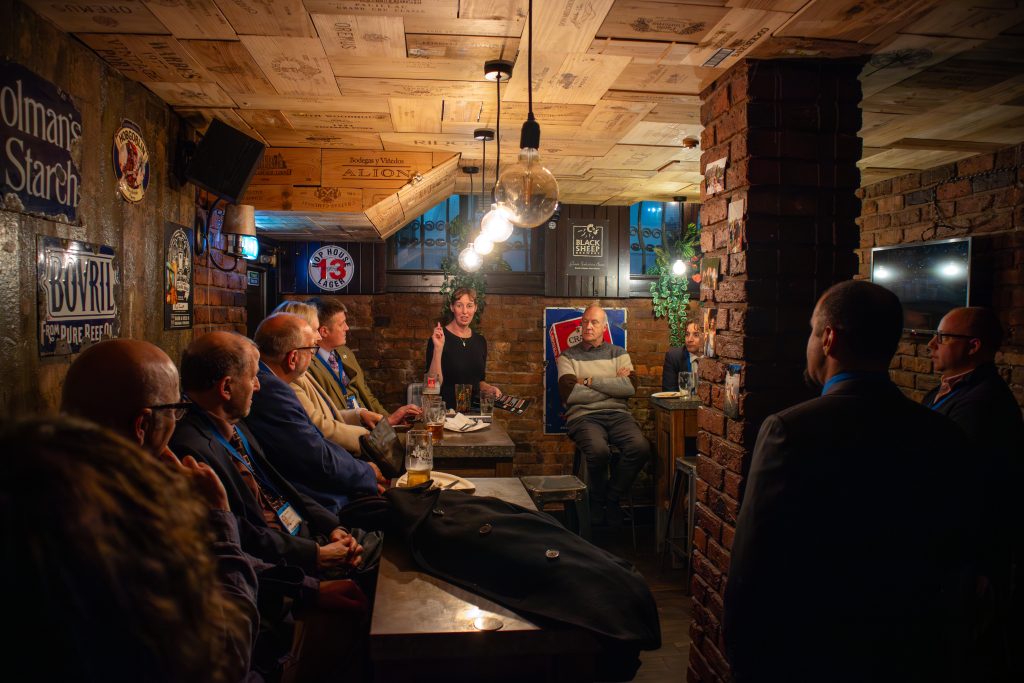
Thank you to everyone who attended our fringe event at the Conservative Party Conference on Sunday 5th October.

It was very positive to share and hear experiences, best practice and ideas on how we can all work to improve the outcomes for children living in temporary accommodation

We are hopeful that in an opposition government, the Conservatives can support the health and education of homeless children in temporary accommodation.

The implications of Temporary Accommodation on childrenโ€™s lives are far-reaching, with negative impacts on health and education, including an increased risk of child mortality. Our report, โ€œChildren Living in Temporary Accommodation: An Absolute Scandalโ€, exposes that living in Temporary Accommodation can violate thirteen articles of the United Convention on the Rights of the Child (UNCRC).

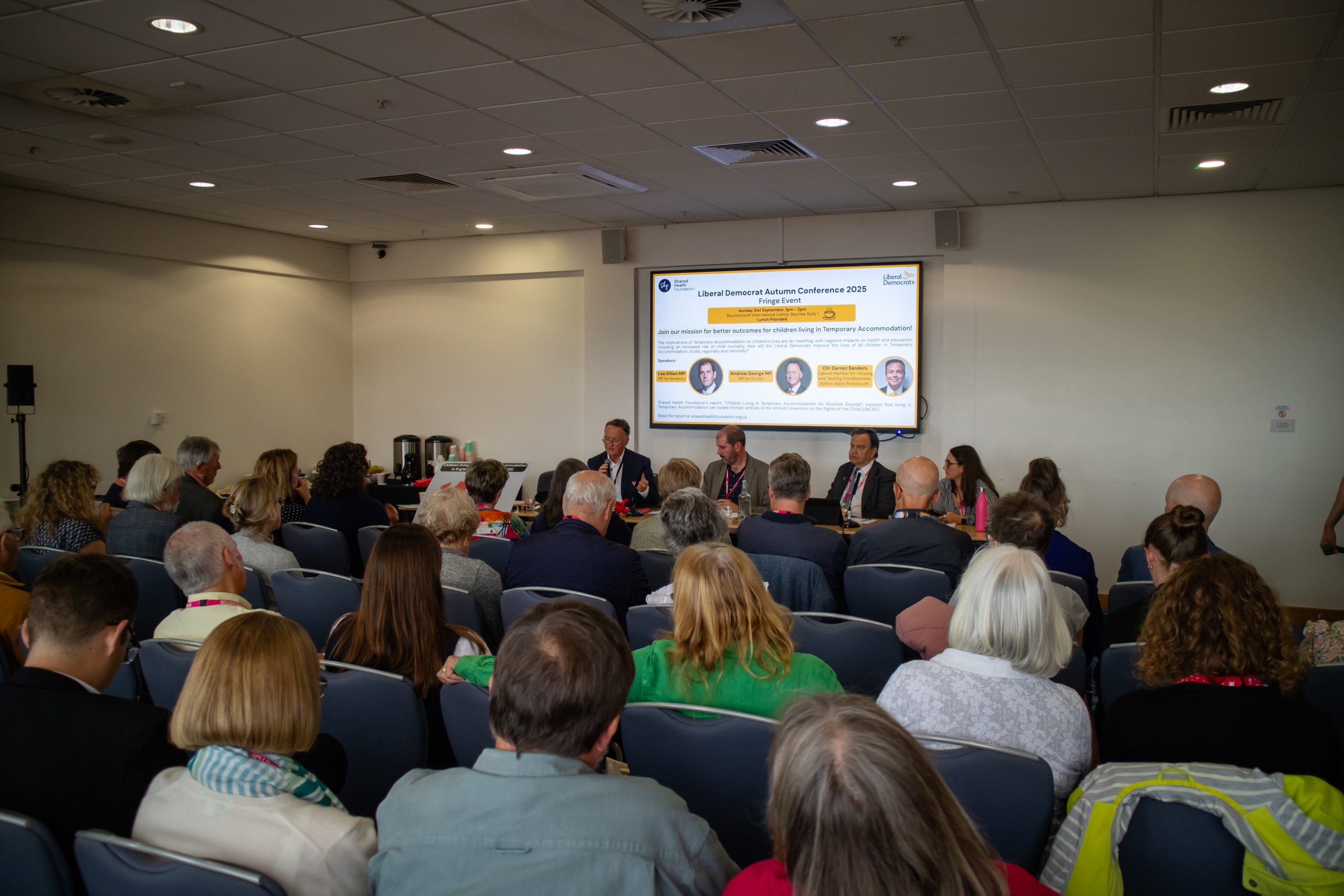
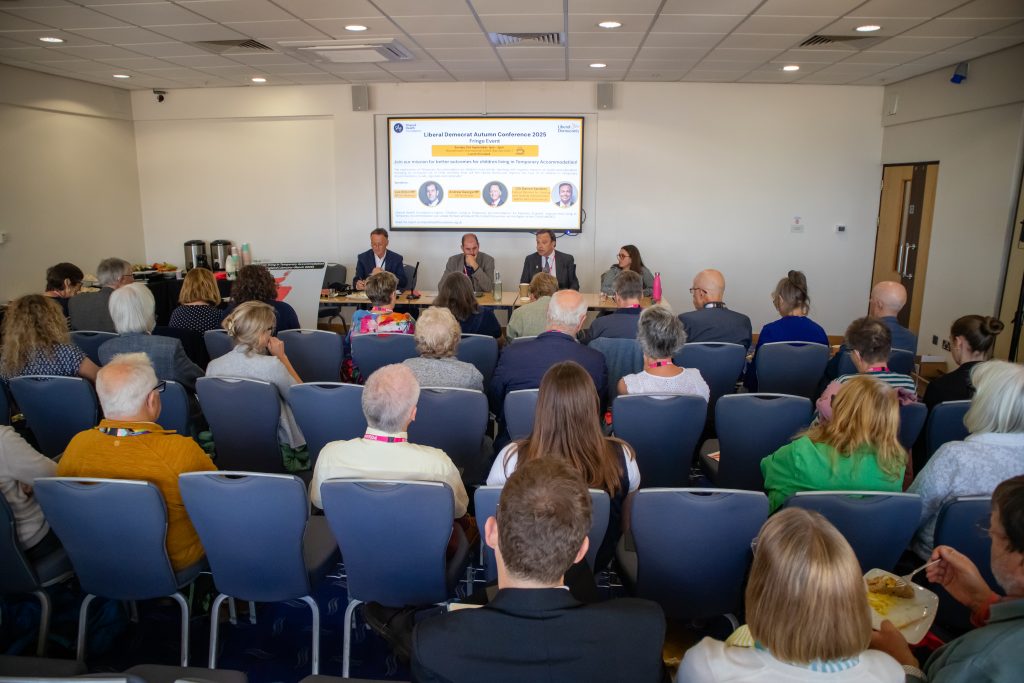
Thank you to everyone who attended our fringe event at the Liberal Democrats Autumn Party Conference on Sunday 21st September, and toย Cllr Darren Sanders, Lee Dillon MP and Andrew George MP for speaking.

After an emotional game of bingo, the panel shared best practice around supporting homeless families living in temporary accommodation. There was a positive discussion of how the Liberal Democrats can improve the lives of all children in temporary accommodation locally, regionally, and nationally.

“A planning society, that is fuelled by greed rather than need, you’re going to inevitably end up with consequences [such as] the housing needs of people getting worse.” – Andrew George MP.

“Dr Laura Neilson said when she gave evidence to our Select Committee – it’s never the child’s decision to go into TA. While we’re talking about the economic levers that we can pull in building houses, it’s the voice of the child that we really need to remember.” – Lee Dillon MP.

“We want to get there because we know changing lives matters, and we owe it to the families and the children.” – Cllr Darren Sanders.

The implications of Temporary Accommodation on children’s lives are far-reaching, with negative impacts on health and education, including an increased risk of child mortality. Our report, “Children Living in Temporary Accommodation: An Absolute Scandal”, exposes that living in Temporary Accommodation can violate thirteen articles of the United Convention on the Rights of the Child (UNCRC).

Shared Health Foundation is a clinically led non-profit organisation tackling the health inequalities caused by poverty.

Our hub, The Crib, is based in Oldham and supports families experiencing homelessness and disadvantage. Our team are experts in addressing barriers to universal services, specifically during the first 1001 days of life, and the impact social determinants of health have on children being preschool ready. We believe every child and family within the homeless journey has the right to thrive, and we work with families to reduce barriers, build confidence, and create lasting change.

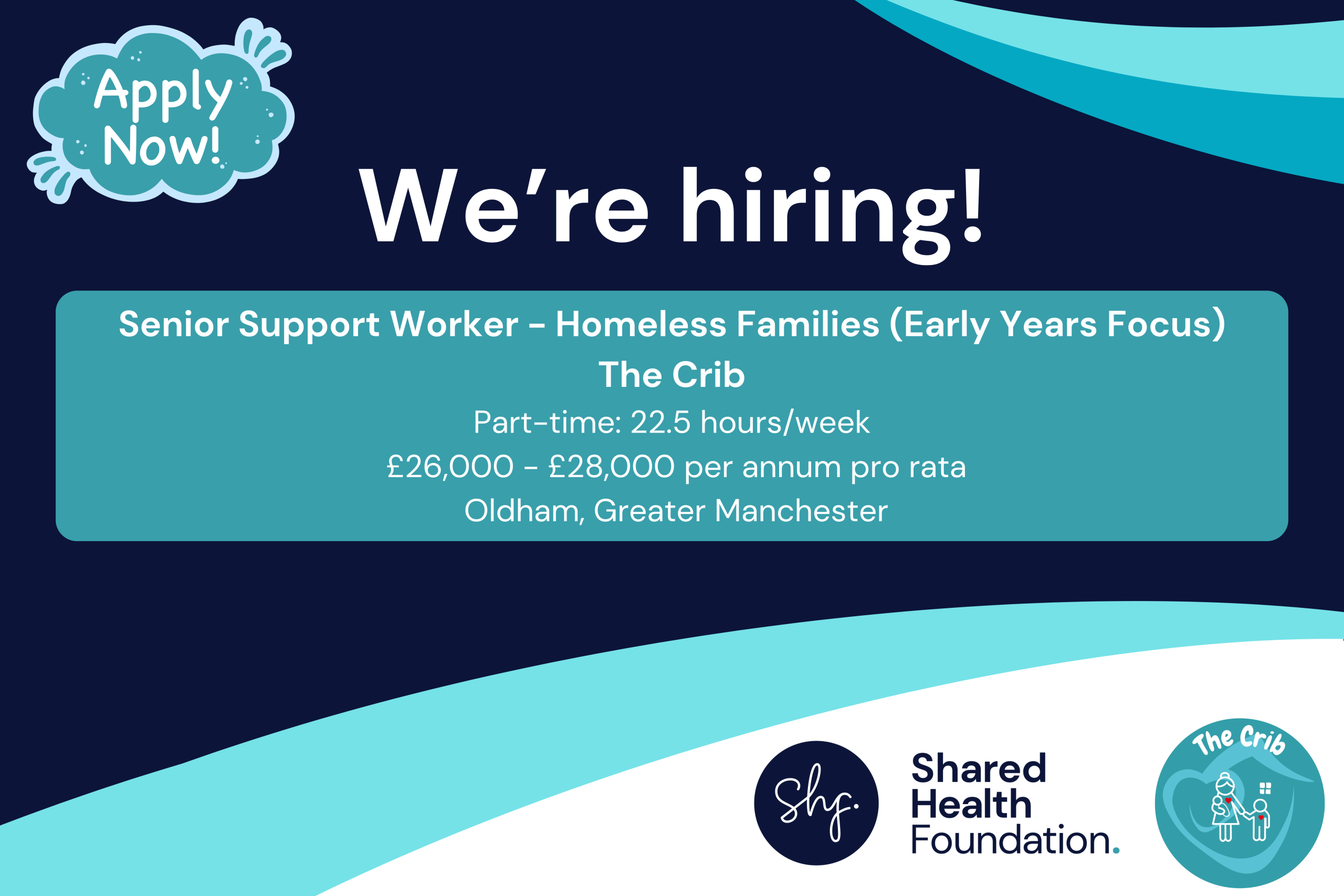
We have an open position for a Senior Family Support Worker – Homeless Families (Early Years Focus) to join The Crib.

Location:ย Oldham (Hybrid โ€“ community, outreach, and office-based)
Salary:ย ยฃ26,000 โ€“ ยฃ28,000 per annum pro rata (dependent on experience)
Contract Type:ย Part-time, Fixed Term (with potential for extension)
Hours:ย 22.5 hours per week, Monday to Thursday (occasional evenings/weekends required)
Applications:ย Please send your current CV with a cover letter

The Role

We are looking for a Senior Family Support Worker to provide early years family support for homeless families across Oldham. This role combines direct family work whilst supporting the daily functions of The Crib, working alongside partners to improve health, wellbeing, and long-term outcomes for children.

You will:

  • Build trusting, restorative relationships with families.
  • Provide trauma-informed, strengths-based support that empowers families to set their own priorities specifically around health and education.
  • Help families access maternity, health visiting, early years services, housing, education, and financial advice.
  • Deliver both 1:1 and group support, encouraging parents to develop agency, confidence, and skills.
  • Ensure referrals, casework, and safeguarding are managed effectively.
  • Strengthen partnerships with local services so families can access universal and specialist support.

Person Specification

Essential

  • Minimum of 5 years experience supporting vulnerable families or individuals, ideally in early years or homelessness settings.
  • Understanding of the impact of health inequalities and deprivation on families.
  • Commitment to relational, trauma-informed, strengths-based practice.
  • Ability to manage a caseload and respond to safeguarding concerns.
  • Strong communication and organisational skills.
  • Confidence working with multiple agencies to improve outcomes for families.
  • IT literacy and ability to maintain accurate case records.
  • Full UK driving licence and access to a car with business insurance (essential for outreach).

Desirable

  • Knowledge of womenโ€™s health, child development, and early years pathways.
  • Community language skills (e.g. Urdu, Arabic, Polish, Farsi, Tigrinya).
  • Relevant training such as Mental Health First Aid, Motivational Interviewing, or safeguarding (Level 2+).

What We Offer

  • Salary ยฃ26,000โ€“ยฃ28,000 per annum pro rata (depending on experience)
  • Pension scheme and sick pay
  • 25 daysโ€™ annual leave plus bank holidays
  • Regular supervision and wellbeing support
  • Training and professional development opportunities
  • Free on-site parking (where available)

Job Types: Part-time, Fixed term contract

Benefits:

  • Company pension
  • On-site parking
  • Sick pay

Work Location: In person

Application deadline: 17/10/2025


Shared Health Foundation is a clinically-led, evidence-based non-profit organisation that is passionate about reducing the impact that poverty has on health.

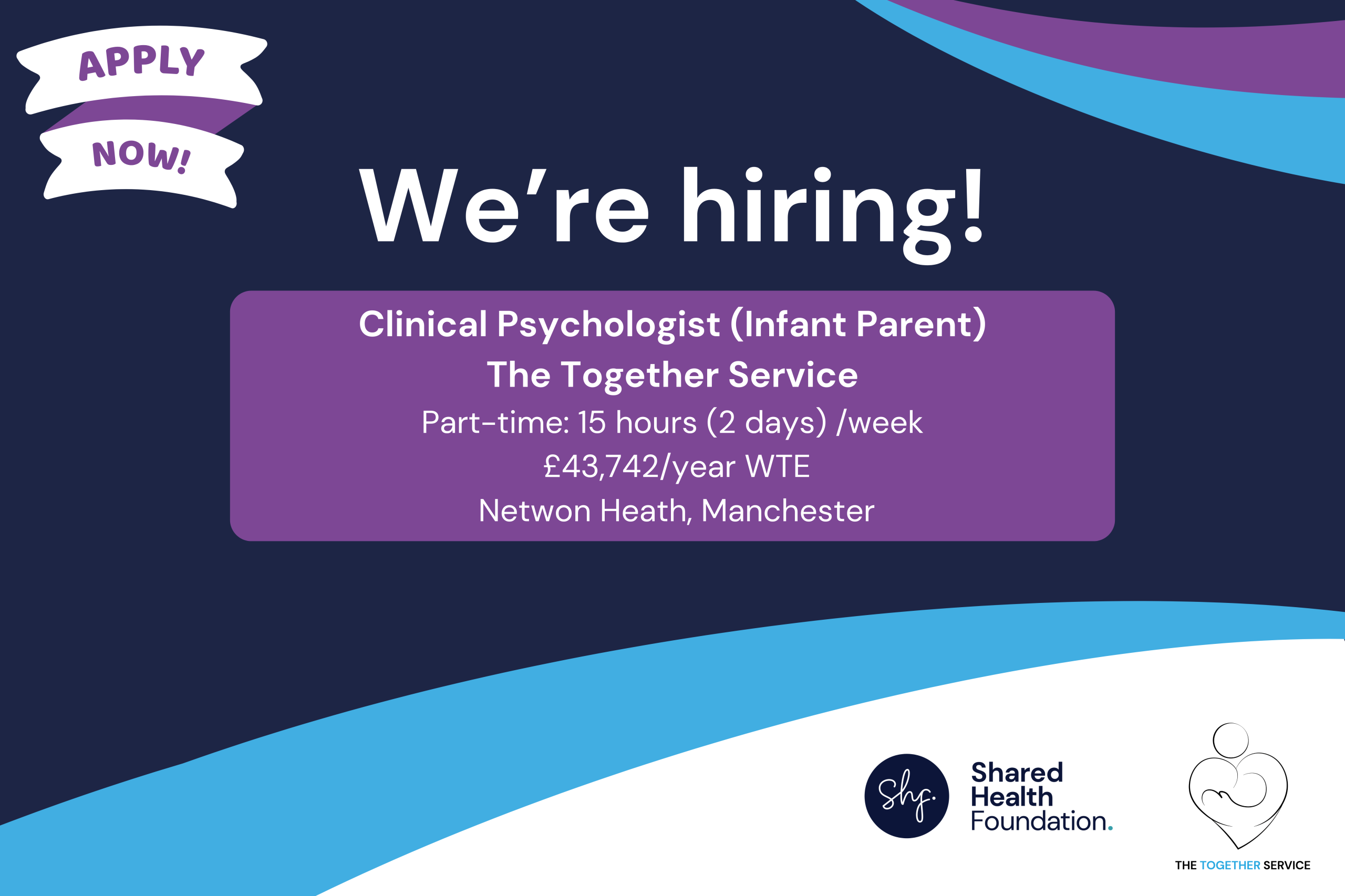
We have an open position for a Clinical Psychologist (Infant Parent) to join The Together Service team.

Job title: Clinical Psychologist (Infant Parent)
Payment: ยฃ43,742 WTE
Hours: 15 hours (2 days)
Department: The Together Service
Location: Newton Health, Manchester
Reports to: Principal Infant Parent Clinical Psychologist 

Job Purpose

To provide a primary-care based psychological service supporting families in the perinatal period.

Key Responsibilities:

  • To build effective working relationships with the primary care team
  • To offer training and consultation to healthcare staff and other professionals around perinatal mental health, infant development and trauma-informed care
  • To identify and engage with particular groups/families/individuals where engagement with services may be low but need is high
  • To build relationships with other organisations/communities in the local area to enhance engagement.  
  • To carry out outreach work to homeless families in the perinatal period
  • To set up and facilitate antenatal group sessions focussed on the social and emotional aspects of becoming a parent, baby development and infant-parent relationships
  • To offer psychological assessment, formulation and intervention with families in the perinatal period. This may include one-to-one work, couple work, family work, broader systemic interventions as appropriate. 
  • To offer flexible and appropriate therapeutic input including parental mental health work, infant-parent relationship work and work around baby loss (miscarriage/still birth/removal)
  • To adhere to HCPC Practice Policy Guidelines
  • To keep up-to-date records of all work in line with organisational policies and prepare reports/letters as required
  • To engage with safeguarding support and work effectively within multi-disciplinary networks to protect the wellbeing of families
  • To access regular supervision with the principal clinical psychologist
  • To undertake service audit and service development tasks as appropriate
  • To contribute a psychological perspective to the policy/campaign work of Shared Health
  • To maintain CPD and keep up-to-date with mandatory training

Person Specification

Qualifications and Professional Registration

Essential Requirements:

  • Doctorate in Clinical Psychology
  • Registration with HCPC as a Clinical Psychologist 

Desirable Requirements:

  • Additional training/qualification in infant-parent interventions, couples work, family work and/or perinatal mental health work

Experience

Essential Requirements:

  • Experience of using psychological assessment, formulation and interventions flexibly
  • Experience that supports working with, and addressing issues of inequality within local communities
  • Experience of working with families
  • Experience of multi-disciplinary working 

Desirable Requirements:

  • Experience within a perinatal and/or infant-parent therapy service
  • Experience offering teaching/consultation to non-psychologists
  • Experience of carrying out audit or service evaluation projects. 

Knowledge / Skills/Abilities

Essential Requirements:

  • Knowledge of relevant psychological theory (e.g. attachment theory) 
  • Ability to work with more than one person in the therapy room
  • Ability to critique psychological assessments/interventions and offer input honouring different cultural experiences
  • Ability to communicate skilfully complex and sensitive information with families and colleagues 
  • Ability to manage own diary and complete IT skills as required
  • Ability to work effectively within a multi-disciplinary team,  
  • Ability to manage emotionally stressful situations such as working with victims of abuse or trauma, and with people who engage in severe self-harming or aggressive behaviour
  • Ability to use supervision effectively

Desirable Requirements

  • Knowledge of specific infant-parent approaches e.g. VIG, Infant-parent psychotherapy, Circle of security, Watch, wait, wonder 
  • Knowledge of compassion-focussed therapy and/or narrative approaches such as the Tree of Life

To discuss further please contact Jen Davies (Clinical Psychologist) on 07384 515059 or j.davies@nhs.net

To apply please provide CV and/or letter indicating how you meet the person specification.

Closing Date: 27/10/2025

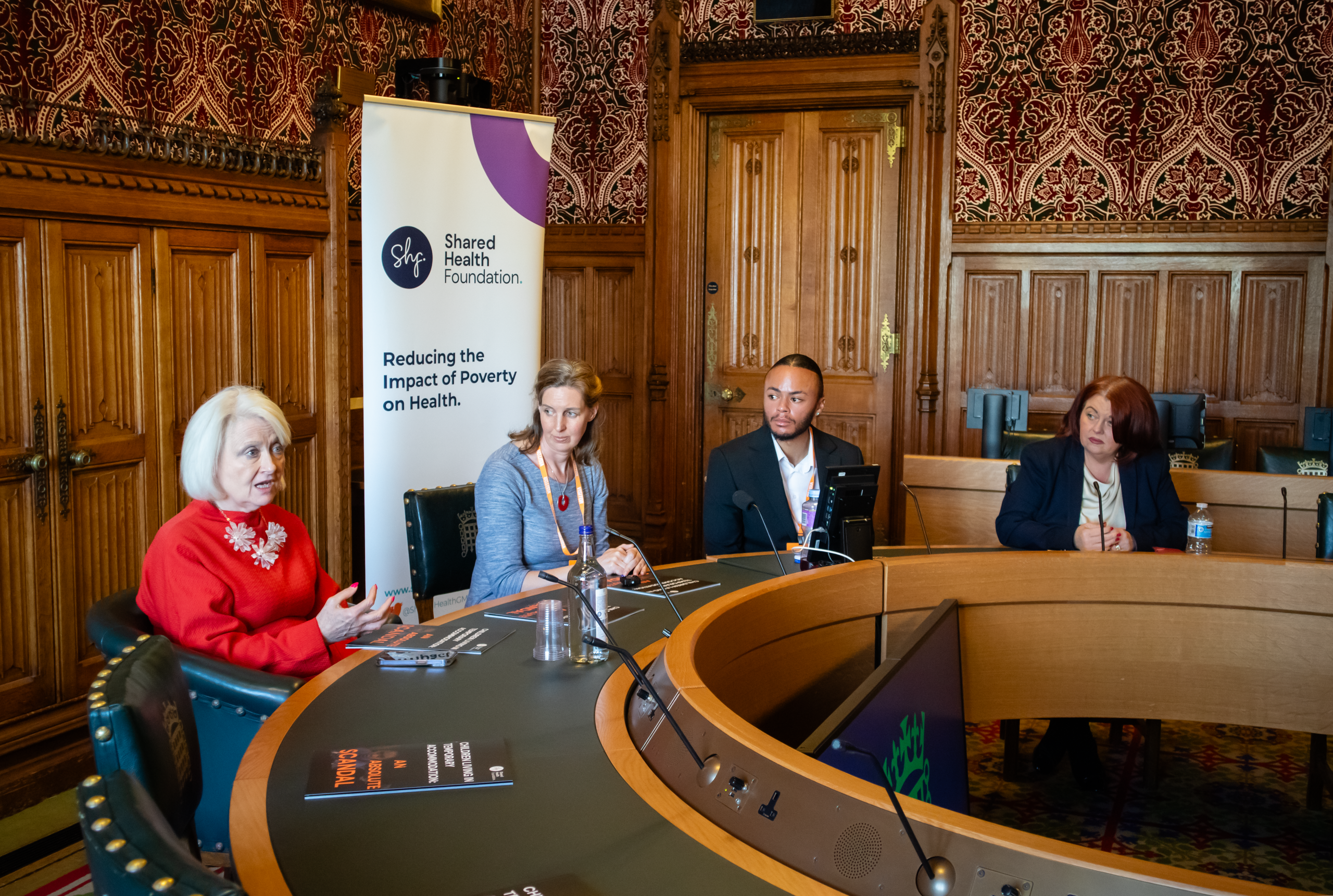
Shared Health Foundation have released a report, titled โ€˜Children Living in Temporary Accommodation: An Absolute Scandalโ€™, exposing thirteen violations of the United Nationsย Convention on the Rights of the Child (UNCRC) caused to homeless children.ย 

The temporary accommodation crisis unfolding across the country is ensuring that increasing numbers of families are being placed in unsuitable accommodation that is likely to be out of their local authority area and away from support networks. As a result, the impacts to a childโ€™s wellbeing are far-reaching, impacting every aspect of their life. This report highlights the realities of living in temporary accommodation for families, particularly in relation to the detrimental effects on childrenโ€™s health and education.ย 

With the Governmentโ€™s cross-departmental homelessness and child poverty strategies being formed, the 165,510 children trapped in the temporary accommodation crisis should be at the forefront of policymakerโ€™s agendas. The cyclical nature of homelessness means these children are at an increased risk of experiencing it again as adults so it is vital that we take measures to prevent this. The Governmentโ€™s strategy for ending homelessness starts with children.

Thank you to everyone who attended the parliamentary launch of our report. It was encouraging to see a room full of advocates passionate about ending child homelessness.