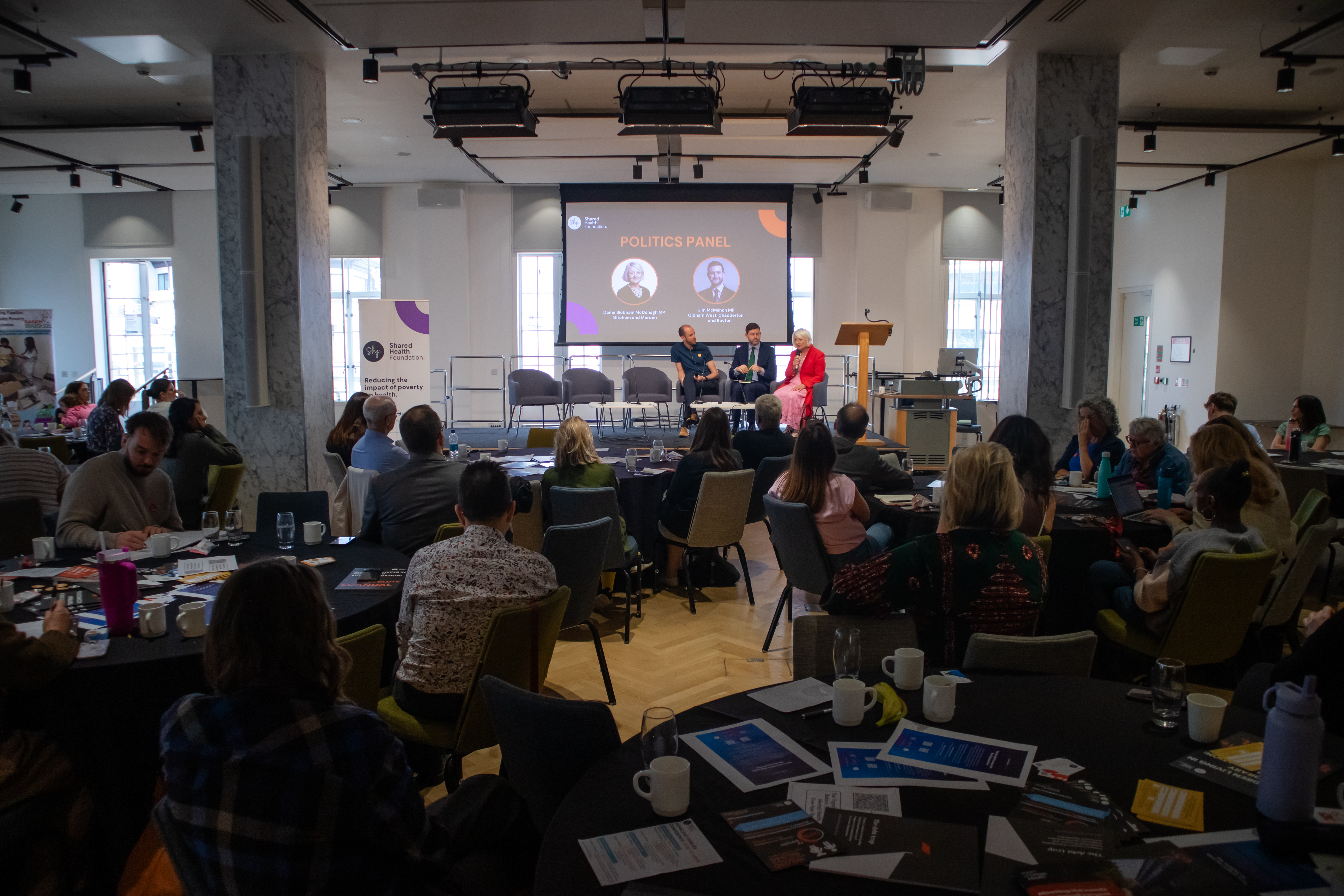
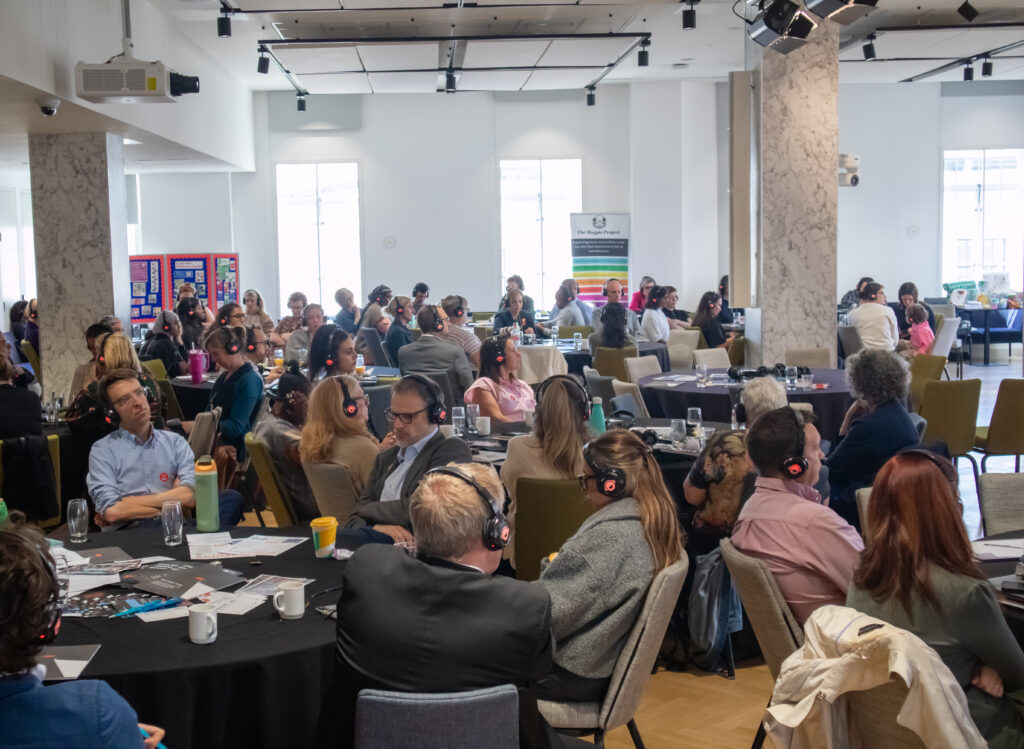
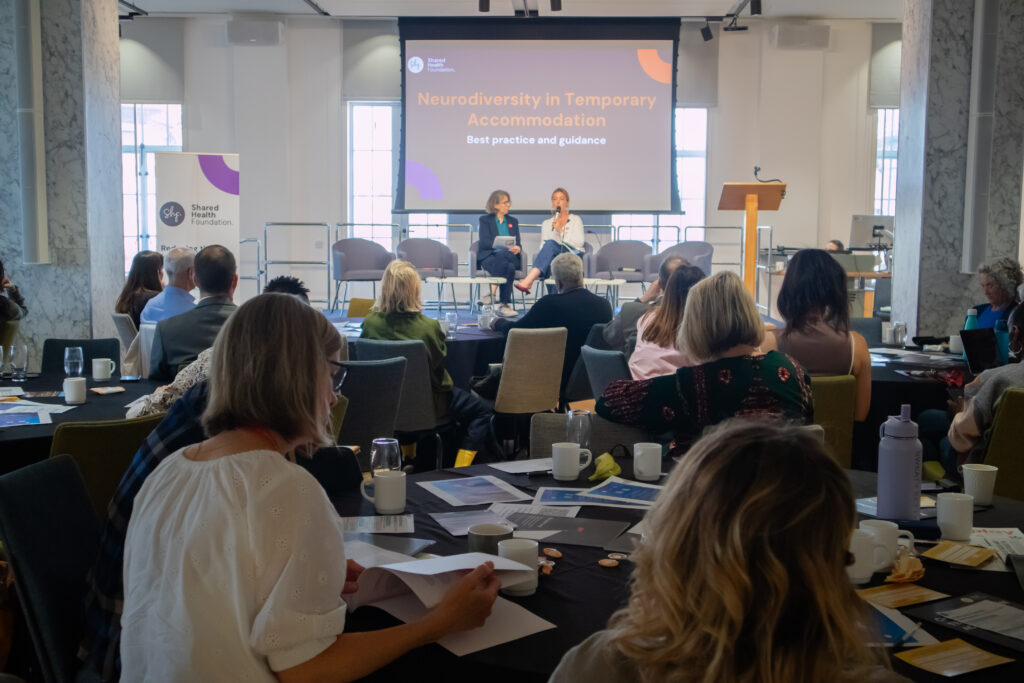
It was truly inspiring to see politicians and professionals from across the health, education, housing, legal and VCFSE sectors come together, passionate about tackling the temporary accommodation crisis and driving tangible change through solutions that place lived experience’s voice at their heart.

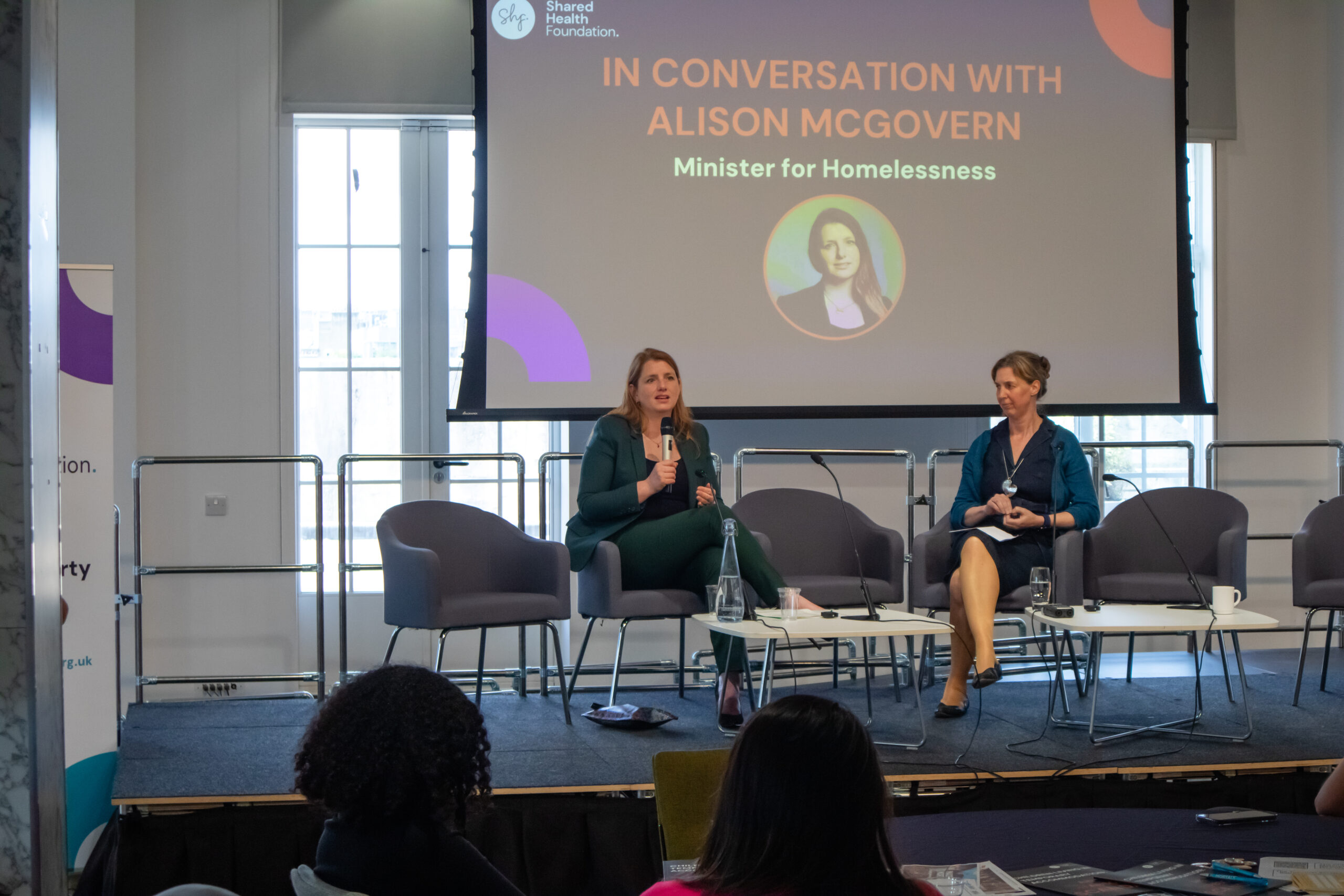
It was particularly encouraging to hear the Government’s commitment to improving temporary accommodation for children and families, reflected in Minister for Homelessness Alison McGovern MP’s keynote speech at the conference.

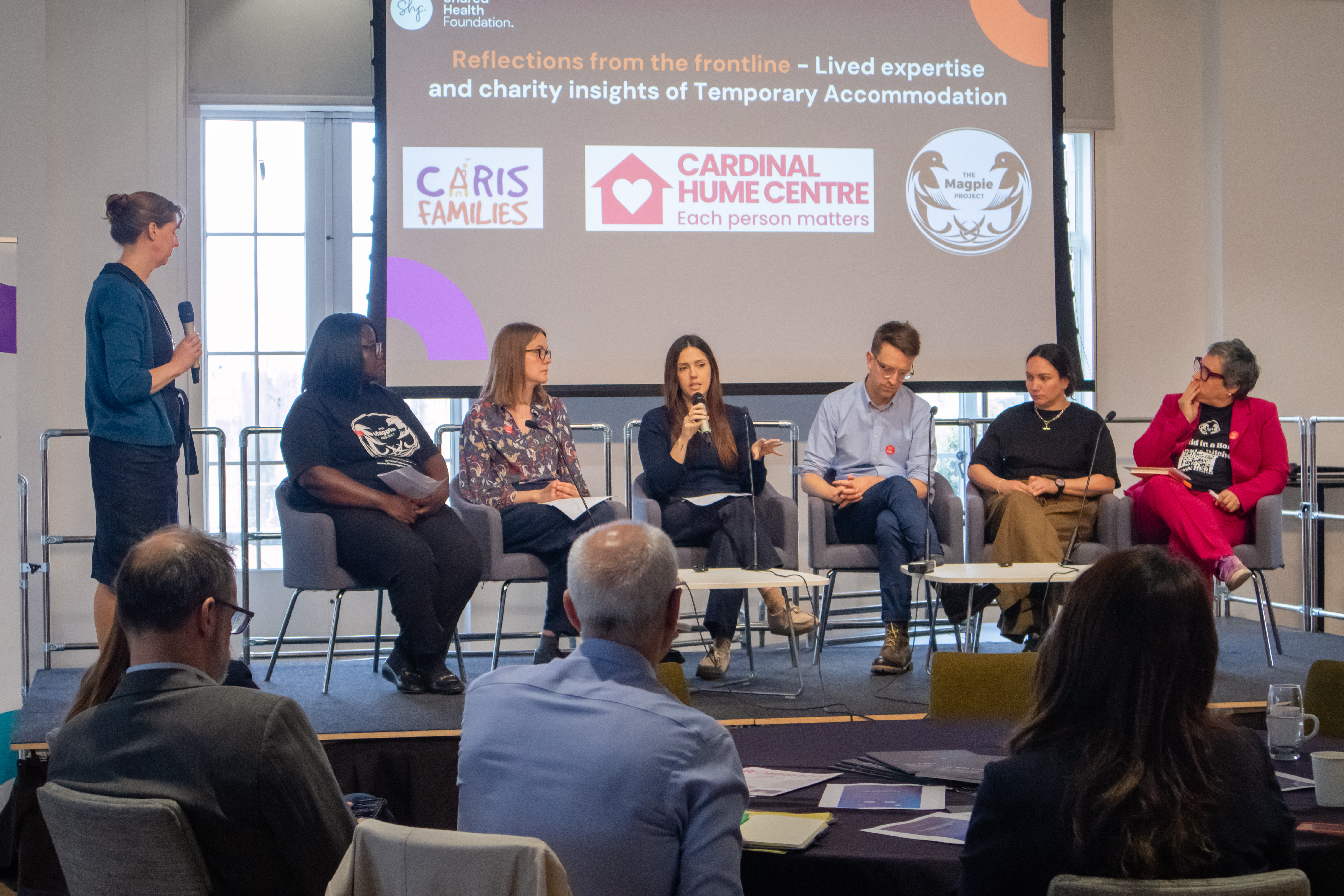
Thank you to the Magpie Project, CARIS Families and Cardinal Hume for sharing frontline insights into supporting families in TA; to Cratus Group, Portakabin, PJ Livesey and Cornerstone Place for showcasing practical housing solutions; to Prof Katherine Brickell, Ysabella Hawkings, Thea Grattidge and Leila Baker for highlighting the particular challenges faced by neurodivergent children in TA; Siobhain McDonagh MP and Jim McMahon MP for their insight into campaigning for better temporary accommodation for families and children; and to Made by Mortals for leading a creative audio workshop that immersed attendees in the human reality of the TA crisis.

Currently, there are over 176,130 homeless children in England living in temporary accommodation. Many are living in dangerous conditions with limited support, far away from their school, GP and community. The educational attainment of children plummets when they become homeless. The barriers to healthcare increase, and children’s health and development suffer. For neurodivergent children, living in temporary accommodation can be especially challenging, yet the effects of homelessness specifically on children with neurodivergences remain significantly under-researched.

For years, the Shared Health Foundation has worked collaboratively across sectors with a singular mission – to reduce the impact of temporary accommodation and homelessness on children. We are incredibly proud of the tangible changes this work has made for families, supporting them on their journey out of homelessness. 

Shared Health’s ongoing campaigning and cross-sector collaboration have led to real policy changes, most recently reflected in the Government’s Child Poverty Strategy and National Plan to End Homelessness. This progress is summarised in our video, “The story so far; Homeless families policy from the Shared Health Foundation”, which you can watch here:

The work is far from over. Join us as we continue to dare to hope and work towards the day when every child will have a safe and stable place to call home.

The Together Service is an Infant-Parent Service which provides a universal offer to all families registered at a GP practice. A Clinical Psychologist provides support from planning a pregnancy through a child’s first year of life. The input is tailored to suit the family’s needs. It draws on various psychological models including attachment theory, infant-parent psychotherapy, compassion-focussed therapy and narrative approaches. The service was piloted in Manchester from January 2020-2021. This report updates on the five years since then, including the outreach work with homeless families that developed from the pilot.

There is a growing body of research around the importance of the first 1,001 days for babies (pregnancy to age two), the crucial role the parent-infant relationship plays and the impact that inequality has on this period of life and beyond.

The Together Service aims to provide support for families facing inequalities. The rationale is that placing this universal support in primary care reduces stigma, increases accessibility and reaches the underserved populations with the greatest need. This is in line with the NHS 10-year plan; moving from ‘hospital to community’, ‘sickness to prevention’ (NHS, 2019) and the ‘two triangle’ model (Hogg, 2024).

Shared Health Foundation is a philanthropically funded CIC working to address health inequalities exacerbated by poverty. In response to growing concerns about standards in temporary accommodation, the Foundation launched a Homeless Families project, a service supporting homeless families and pregnant women placed in emergency and temporary accommodation in Oldham. From its inception, the service was based on the Focused Care model and was informed by midwifery frameworks and principles. Committed to reducing health inequalities, the service looked upstream to mitigate the negative impact of homelessness. Shared Health’s trauma-informed, practice-based evidence, along with its specialist clinical insights, brought together a multi-disciplinary team, and we have shone a spotlight on the preventable health inequalities which can be affected by homelessness.

Rising concerns regarding the deepening housing crisis are being voiced by professionals and service providers across hospital waiting rooms, social and educational settings, and the weight of those who fall through the net is increasingly being met by charity and faith sector organisations. There is a deep sense of foreboding and urgent need to redress our existing systems, not by “throwing the baby out with the bath water” but by collating the wisdom from practice-based evidence and realigning the provision of services with the voice of the child at its heart.

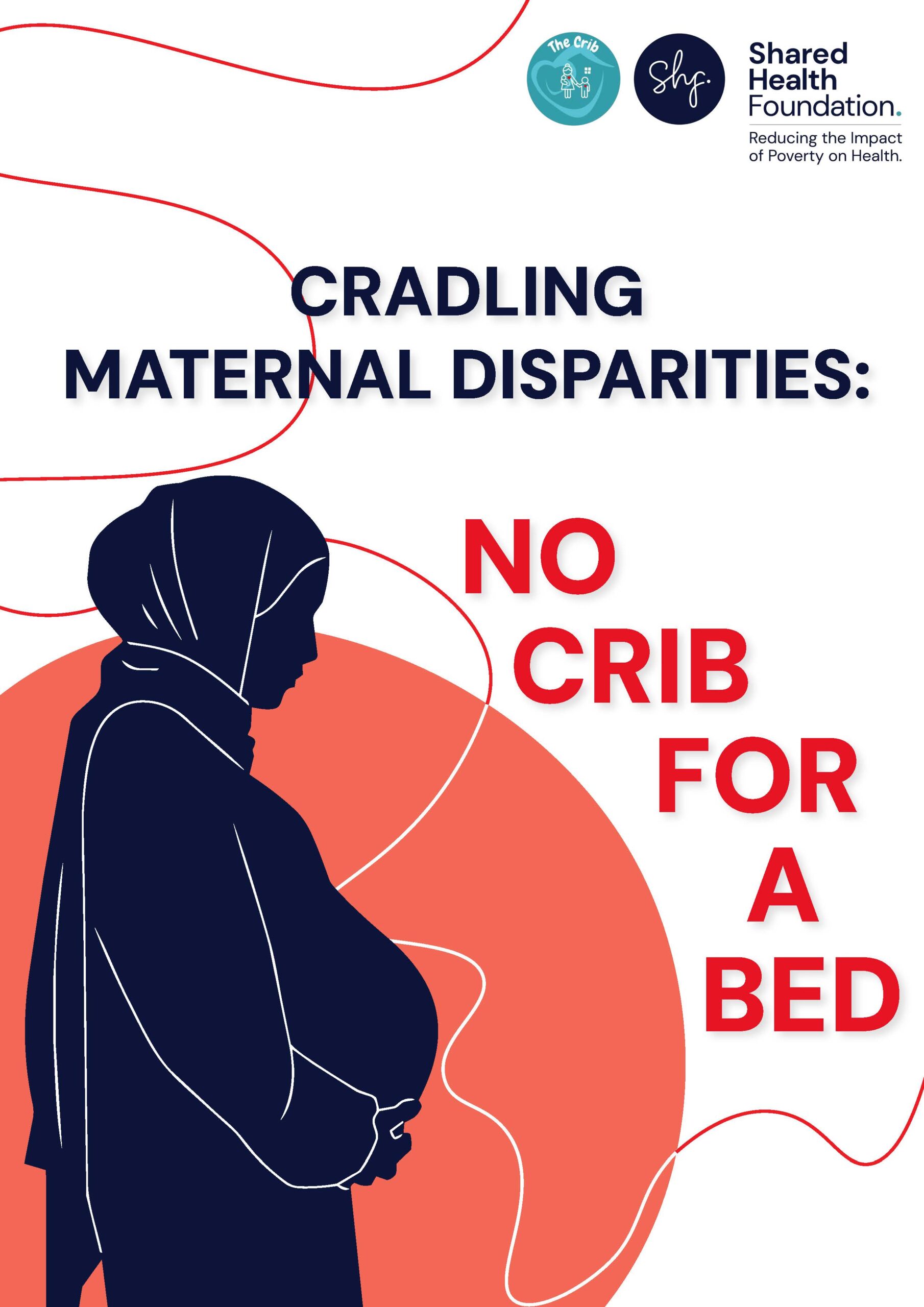
This report aims to present the findings of Shared Health when examining the impact of local authority provision for homeless families through a maternal and reproductive health inequalities lens. Our service for families without a stable home identified a disproportionate number of women, many experiencing pregnancy alongside homelessness.

The work on the ground is led by a registered midwife with 25 years’ experience working in areas of deprivation and consequently provides a unique midwifery-informed approach at our base called “The Crib”. The service receives referrals from the local authority in one of Greater Manchester’s most deprived boroughs, and we respond and offer support to those families with children, prioritising pregnant women and those with preschool children. Their lived experiences inform the service and how it responds to meet our guiding principle of health equity. We value co-production, and Shared Health wish to honour the incredible resilience of our families and their dedication to support our work and the compassion they show for others who are also in the journey themselves. With their consent, this report will ensure their stories are told, their voices are heard, and the whisper of the unborn is echoed.

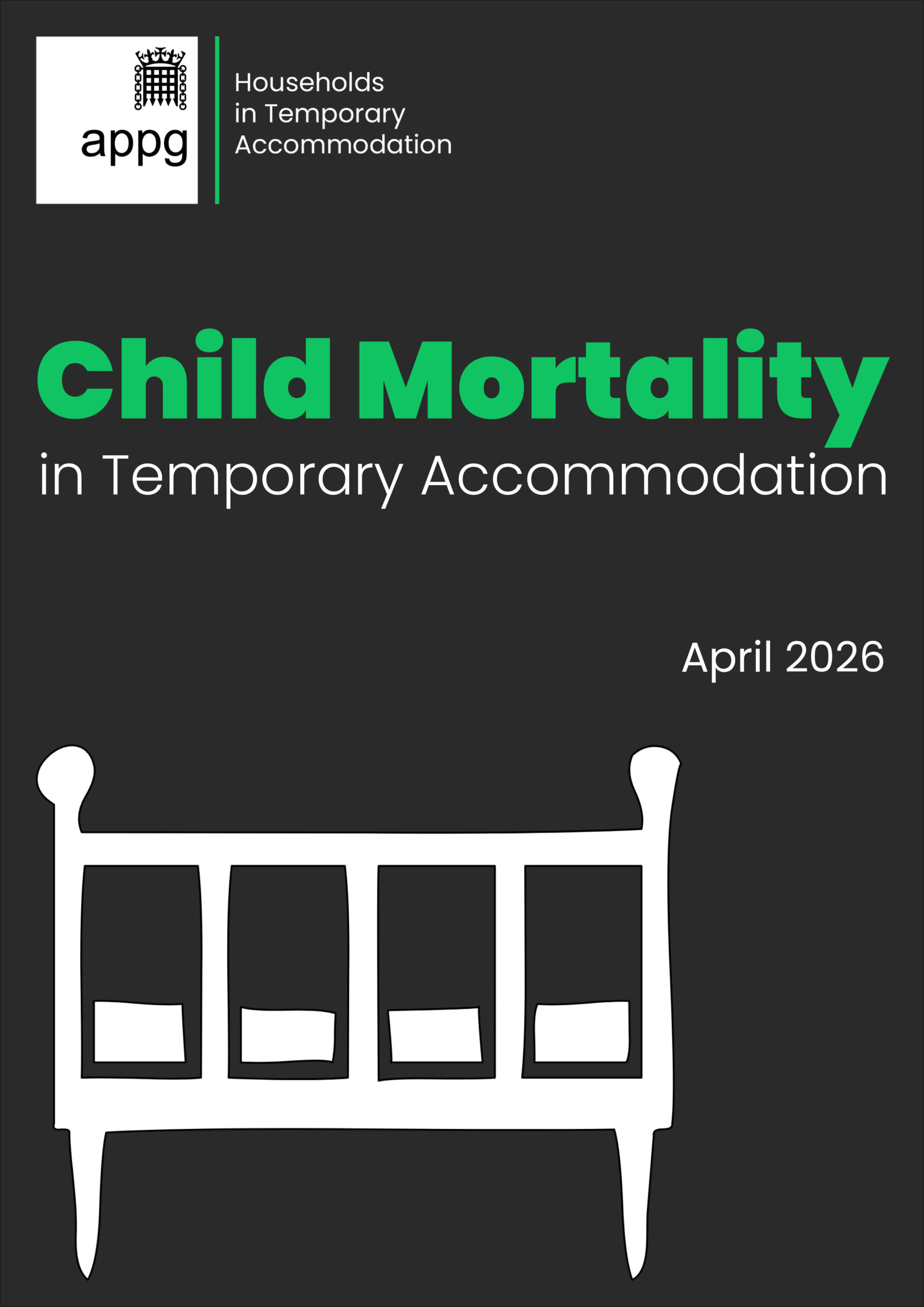
The All Party Parliamentary Group for Households in Temporary Accommodation can announce three pieces of key information: 

  1. Data collected by the National Child Mortality Database (NCMD)shows that between 1st April 2019 to 31st March 2025, 104 children have died with temporary accommodation as a contributing factor to their vulnerability, ill-health, or death.  Of these 104 children, 76 were under the age of 1.
  2. New data collected for the first time by MBRRACE-UK uncovers that out of all 3,303 deaths of babies born between 1st January and 3rd December 2024, at least 91, 64 stillbirths & 27 neonatal deaths, were to mothers living in temporary accommodation.
  3. Poverty, deprivation, and race inequalities are some of the other main factors leading to child mortality where temporary accommodation is also a contributing factor to death. 

The APPG can also announce that 140 children have died, with their main residence listed as temporary accommodation, between October 2023 and September 2025. Whether temporary accommodation was a contributing factor to these deaths will be assessed through the usual death review process, meaning the 104 figure could increase in the following years.

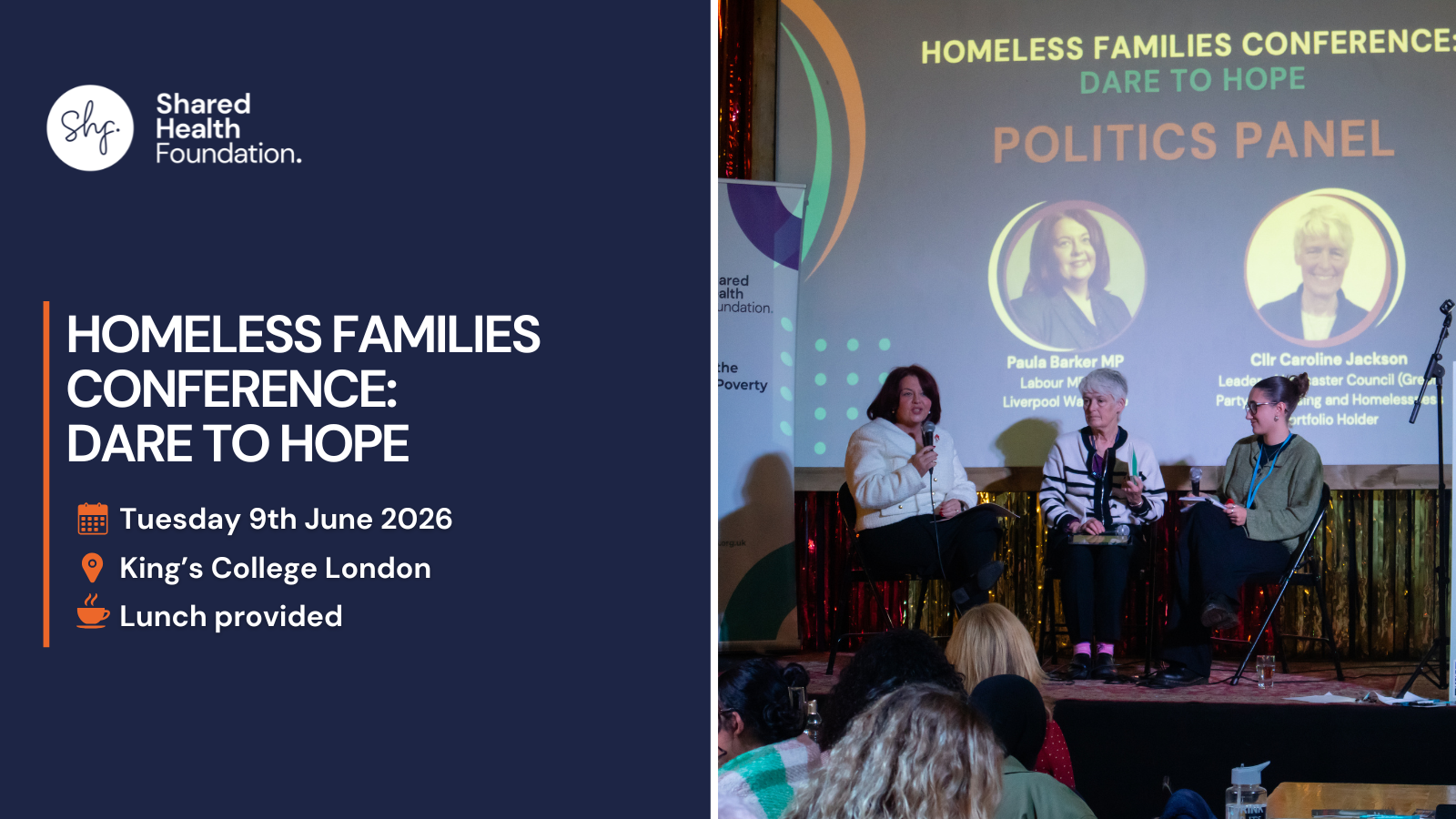
Homeless Families Conference: Dare to Hope

Keynote speaker confirmed: Alison McGovern MP, Minister of State for Local Government and Homelessness

Tuesday 9th June 2026
09:00 am – 4:00 pm
King’s College London

There are over 176,130 homeless children in England living in Temporary Accommodation. Many are living in dangerous conditions with limited support to help them navigate through our complex systems. Families are continuously placed out of area, far away from their school, their GP and community. The educational attainment of children plummets when they become homeless. The barriers to healthcare increases and children’s health and development suffer. There is a national focus and political will for rough sleeping, but less so for families. Tragically, 104 children have died in Temporary Accommodation since 2019. Most of them were under 1 year old.

And yet, we dare to hope.

Our past Homeless Families Conferences have seen research, reports, and lived experience stories exposing the dire state of Temporary Accommodation,  now is the time for action. 

Following the release of the Child Poverty Strategy and the Homelessness Strategy, it is now time for politicians, policy makers and the Government to take action from Whitehall to Town Hall and change Temporary Accommodation for families and children. Our conference will be focused on the strategic next steps to influence policy locally, regionally and nationally.

Whether you work in housing, health, education, the home office, the VCFSE sector, have lived experience of Temporary Accommodation,  Dare to Hope is for you.  

Come curious to see, listen, share best practice, and leave the day with actions ready to implement within your organisation.

Tickets to the event are free of charge.

Agenda

09:30am – 09:50am Welcome & Scene Setting – Big Wins & Challenges – Dr Laura Neilson
09:50am – 10:30am Reflections from the Frontline – Gifty Amponsah & Jane Williams (Magpie Project), Rebecca Walker & Iris (CARIS Families), George O’Neill & Dave Saunders (Cardinal Hume)
10:30am – 11:00am Housing Solutions Panel – Nicky Kilby (Cratus), Mark Fox (Portakabin), Georgina Lynch (PJ Livesey)
11:00am – 11:30am Coffee break
11:30am – 12:00pm Neurodiversity in Temporary Accommodation – Ysabella Hawkings, Dr Rosalie Warnock, Thea Grattidge & Leila Baker
12:00pm – 12:30pm In Conversation with Dame Siobhain McDonagh MP Chair of the APPG for Households in Temporary Accommodation
12:30pm – 1:30pm Lunch
1:30pm – 3:00pm Fresh Paint Creative Audio Piece about Temporary Accommodation, Made by Mortals
3:00pm – 3:30pm Action & Commitments – In Conversation with Alison McGovern MP, Minister for Homelessness

Additional information

Lunch and refreshments are included. Dietary requirements can be specified on the order form.

This event is hosted by the Shared Health Foundation

Find us on our socials –

Twitter       Facebook     Linkedin    YouTube   Hope in The Deep End Podcast  www.SharedHealthFoundation.org.uk 

Location

Bush House, King’s College London
Room: BH 8th Floor (North) 
Entrance: Bush House North, 30 Aldwych, London WC2B 4BG
https://maps.app.goo.gl/R7qpxorprSTfAVxc9

Please note, there are multiple entrances to Bush House and the easiest way to get to the conference is to enter via Bush House North Entrance.

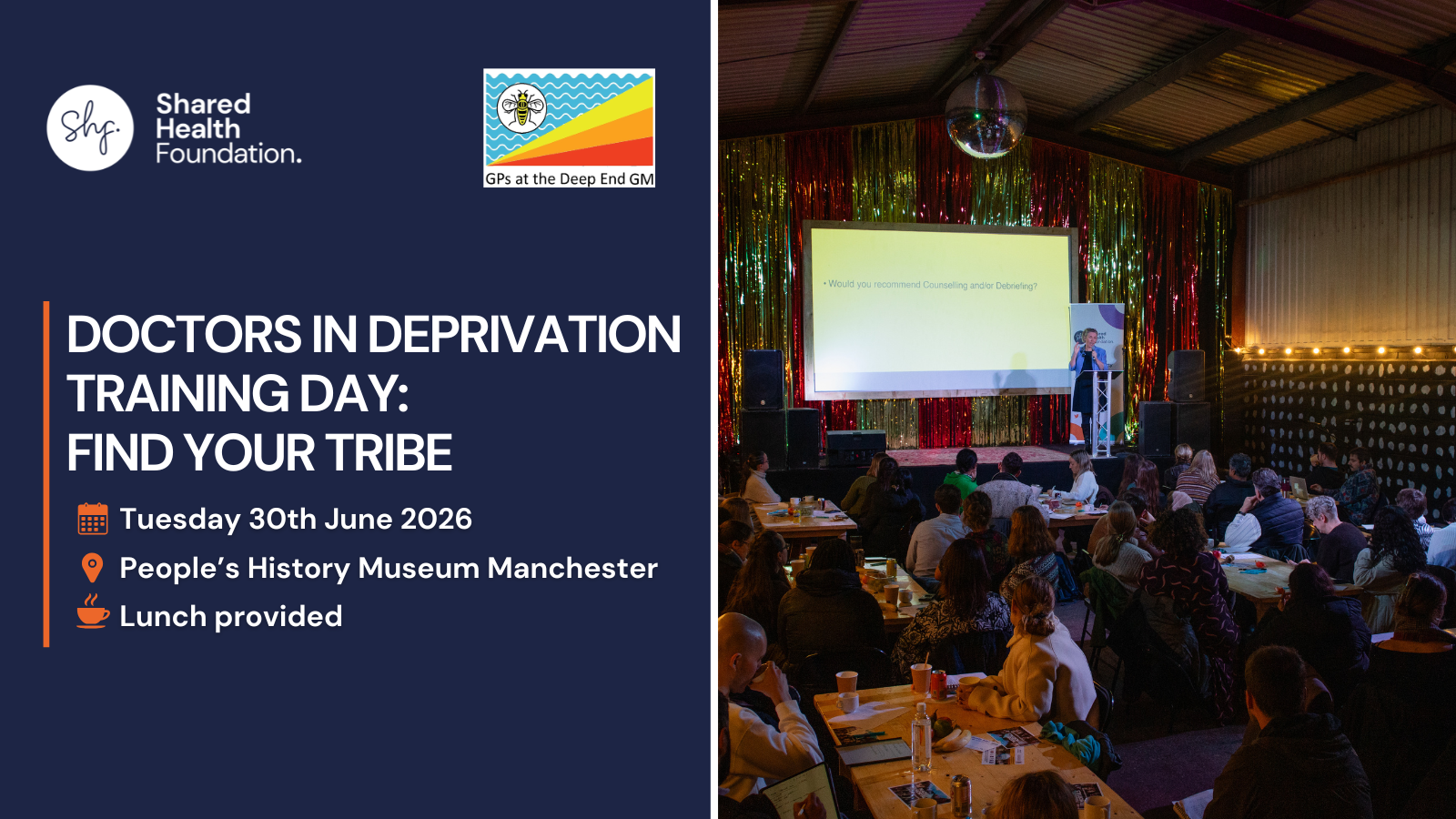
Doctors in Deprivation Training Day: Find Your Tribe.

Good health should be shared with all. It should not be damaged by social or economic disadvantage.

Alongside colleagues from Deep End GM, Shared Health Foundation invites any GP or clinical lead who is working in the Deep End of medicine to join us at our annual Doctors in Deprivation Training Day. You will be inspired, challenged, encouraged and most importantly find your tribe of other clinicians working in areas of deprivation.

The training day will explore the challenges faced by those working in areas of deprivation and disadvantaged communities and share the hopeful work organisations in Greater Manchester and beyond are doing to reduce health inequalities and the impact of poverty on health.

Get to grips with the health inequalities that many people face, and how you can help put things right. Learn about the causes and effects of health inequalities, and find out about the ways in which GPs and healthcare staff can do their bit to make a difference.

We hope that after attending your skills, outlook and understanding will have been transformed and you will feel more hopeful in your vital grassroots work.

Tickets to the training day are free of charge.

Agenda

9:30am – 10:00am Welcome – Dr Laura Neilson
10:00am – 10:50am Missingness Workshop – content from Professor Andrea Williamson
10:50am – 11:15am Coffee break
11:15am – 11:45am Adult Safeguarding Workshop – Dr Joanna Bircher, Dr Rebecca Marchmont
11:45am – 12:15pm Access as Human Fit – Equitable access to care and resources for GPs and PCNs – Dr Jennifer Voorhees
12:15pm – 12:45pm Fairer Practice Toolkit – Professor Dom Patterson (online), Dr Lindy Bolzern
12:45pm – 1:30pm Lunch
1:30pm – 3:00pm Learning Disability: Jasper Pickles Climbs Everest – Audio story exploring health inequalities of people with learning disabilities, Made by Mortals
3:00pm – 3:30pm Coffee break
3:30pm – 4:10pm So What Now? – reflections on the year ahead
4:10pm – 4:30pm Open Mic – Got a story, a rant or an idea? Come and pitch it in 60 seconds!
4:30pm – 6:00pm Drinks Reception – networking

Additional information

A certificate of attendance will be awarded digitally to all participants after the training day. This will include CPD Points.

The museum has no parking facilities.

Upon arrival at the museum on the day of your event, please report to the front desk and let them know you are there for the Doctors in Deprivation Training Day.

Lunch and refreshments are included. Dietary requirements can be specified on the order form.

Information from the caterer:

Allergens
Whilst great care and attention is taken when preparing all of our dishes guests with severe allergies are advised that we can’t guarantee our dishes are free from allergens. We would therefore ask that any guests with severe allergies get in touch at least 2 weeks prior to the event to discuss the options we can offer. Please note, on the day of an event we would not be able to provide modified dishes, unless it has been organised in advance.

Nut Allergy Information
When we are advised that guests have a severe nut allergy, every reasonable precaution will be taken to ensure there are no nuts in the vicinity when the food is being prepared. However, the production unit does have nuts on site and food is prepared for several events at a time, therefore we cannot guarantee there won’t be traces of nuts in any of the dishes.

This event is hosted by the Shared Health Foundation

Find us on our socials –

Twitter       Facebook     Linkedin    YouTube   Hope in The Deep End Podcast  www.SharedHealthFoundation.org.uk 

Location

People’s History Museum, M3 3ER

A new report likens the experiences of living in temporary accommodation for neurodivergent children to a form of “torture”. 

The report, titled ‘It’s like torture: Life in Temporary Accommodation for Neurodivergent Children and their Families’, highlights the findings of a UK-wide call for evidence launched by Dr Rosalie Warnock and Professor Katherine Brickell from King’s College London, through the All Party Parliamentary Group for Households in Temporary Accommodation, and with support from the Shared Health Foundation, Justlife, and Autistica.

This report has been released as part of a wider research project, called the Sensory Lives Project, that aims to generate a better understanding of how homeless families experience living with a neurodivergent child in temporary accommodation. 

There is no official data on how many children living in temporary accommodation are neurodivergent; however, the report estimates that between 25,000 and 120,000 such children are affected in England. Given that 172,420 children in total are currently living in temporary accommodation, this estimate, even at its lowest end, underscores the significant scale of the issue. 

Despite this, neurodivergent children in temporary accommodation have been omitted from Government strategies and policy decisions. 

This call for evidence is a first of its kind, with the effects of homelessness specifically on children with neurodivergences being a significantly under-researched area. Having received 280 individual responses from practitioners and parents from across the UK, the findings uncover the shocking reality that vulnerable children are forced to endure. 

The average time spent in temporary accommodation for the respondents was 4.5 years, which is anything but ‘temporary’ within the childhoods of children trapped into this crisis. 

It is apparent within the report that every aspect of homelessness provides a new challenge for neurodivergent children. They rely on routine, predictability, and secure environments with a reasonable amount of space to regulate. Temporary accommodation offers the antithesis of this, with families being moved to different accommodations with short/no notice, away from support networks, that may be unsuitable and of a poor standard. It becomes impossible for children to be able to regulate in such an environment, having significant impacts on their physical and emotional wellbeing, to the extent that the report refers to these impacts as “child cruelty”. 

The theme of ‘torture’ underpinning this report is influenced by the experiences of children that have been subjected to “unrelenting sensory assault” that is “psychologically excruciating”, caused by living in temporary accommodation. On top of this, forms of torture, including sleep and sensory deprivation, were highlighted as common occurrences for neurodivergent children in unsuitable accommodation. 

On the back of this, the report calls for a series of recommendations that are targeted at local and national governments to improve the experiences of neurodivergent children living in temporary accommodation. 

Summary of recommendations include:

  1. Incorporating the United Nations Convention on the Rights of the Child into UK domestic law, so its provisions are legally binding. 
  2. Fixing the data gap, such as by improving H-CLIC data collection to record if a child has an EHCP or is on the SEN register. 
  3. Ensuring continuity of education, health and care, by avoiding out of area placements, transferring information to new boroughs about EHCPs, reducing the number of moves, introducing a cross-local authority protocol for home-to-school transport, and specialist training in schools. 
  4. Improve communication and training in local authorities, with mandatory training for housing officers on neurodiversity. 
  5. Improve housing quality and suitability standards, by including neurodivergence in the Homelessness Code of Guidance, improving the suitability of housing for neurodivergent children with neuroinclusive design standards, using Disabled Facilities Grants for modifications, conducting specialist neurodivergent-affirming housing needs assessments, generating greater flexibility for how families communicate with housing officers, and relaxing visitor rules. 
  6. Focus on housing allocations, supply, and acquisitions, by ending the use of hotels and B&Bs for families, updating the suitability section of the Homelessness Code of Guidance, never mixing families and single adults in accommodation with shared facilities, introducing a minimum notice period for TA moves, build the housing that families need, and ending probationary tenancies. 
  7. Provide financial relief with support for income maximisation and welfare applications, piloting and evaluating a Sensory Needs Fund at local authority level, and reducing the cost of transport for families in temporary accommodation. 

Quotes: 

Professor Katherine Brickell, Professor of Urban Studies, King’s College London

Temporary accommodation may fulfil a legal duty to house families, but it is repeatedly failing to meet even the most basic conditions required for neurodivergent children. For many children, these placements are overcrowded, noisy, unstable and wholly unsuitable for their sensory, emotional and developmental needs. What is intended to be a short-term solution too often becomes a source of lasting trauma. 

Embedding children’s rights at the heart of housing decision-making would fundamentally shift the system’s focus. Rather than simply managing risk or meeting minimum statutory obligations, it would require decision-makers to actively prevent harm, prioritise children’s wellbeing, and consider the long-term impact of housing placements on a child’s development.

This approach would ensure that neurodivergent children are not treated as an afterthought, but are properly recognised and supported, with accommodation that is safe, appropriate and responsive to their needs. Only then can we begin to build a system that truly protects children, rather than one that too often fails them.”

Dr Rosalie Warnock, British Academy Postdoctoral Fellow, King’s College London

“Neurodivergent children remain largely invisible within homelessness policy, despite having needs that make them particularly vulnerable to instability, disruption and unsafe living conditions. Their experiences are too often overlooked in decision-making, with policies that fail to recognise how unsuitable accommodation can exacerbate sensory distress, anxiety and developmental challenges.

Housing, health and education systems are operating in silos, with little coordination or shared accountability. Families are left to navigate complex and disjointed systems on their own, while children bear the consequences through disrupted schooling, deteriorating mental health and unmet support needs.

What is urgently needed is a coordinated, child-centred approach that places children’s wellbeing and rights at the core of every housing decision. This means collaboration across housing, health and education services, shared responsibility for outcomes, and policies that respond to the real, lived experiences of neurodivergent children. Without this shift, fragmented decision-making will continue to fail the very children it should be protecting.”

Dame Siobhain McDonagh, MP for Mitcham and Morden, Chair of the All Party Parliamentary Group for Households in Temporary Accommodation

“We should all be appalled that children are being forced to endure conditions that are comparable to torture. No child should ever be subjected to such trauma, yet this is the reality for too many who are experiencing homelessness. These conditions are not only degrading and inhumane, but risk inflicting lifelong harm on children’s physical and mental health.

It is time to take firm control of this crisis and act with the urgency it demands. Preventing homelessness must be a priority, but where it does occur, we must ensure that no child is subjected to unsafe, unsuitable or damaging accommodation. This requires decisive leadership, proper investment, and a system that puts children’s welfare at its core.

I welcome the steps set out in the Government’s National Plan to Ending Homelessness, which signal a recognition of the scale and seriousness of the problem. However, significant gaps remain. As this report highlights, more work is needed to ensure that neurodivergent children are explicitly recognised, protected and supported when homelessness occurs, with appropriate accommodation and specialist services in place.”

Dr Laura Neilson, CEO of the Shared Health Foundation

“This report is yet another stark reminder that homeless children across the country are being systematically failed. For too long, the needs and rights of children have been sidelined, leaving many to grow up in conditions that are wholly unsuitable and deeply damaging to their wellbeing.

The horrific experiences endured by neurodivergent children in temporary accommodation are not inevitable, nor are they unavoidable. They are the predictable outcome of decades of political choices made by successive governments — choices that have prioritised short-term fixes over long-term solutions. 

A society should be judged by how it treats its most vulnerable, and on this measure, the system is falling profoundly short. Urgent action is needed to ensure that no child is forced to endure such conditions, and that neurodivergent children and their families are provided with safe, stable homes and the support they need to thrive.”

Simon Gale, CEO of Justlife

“Having supported people in temporary accommodation for as long as we have, it can take a lot to shock you. However, the findings of this report are a shocking and damning indictment of a housing system that has failed so many children and their families.

Life as a neurodivergent parent or child can present difficulties even for those in a settled environment, but having to navigate the challenges of unsafe and insecure temporary accommodation is a unique and often harrowing task for the neurodiverse community.

With the National Plan to End Homelessness increasing the focus on both prevention and tackling the worst forms of temporary accommodation, we hope the Government will accept this report’s recommendations, and do better by neurodiverse families.”

Dr Amanda Roestorf, CPsychol, Autistica Director of Research:  

“Inappropriate temporary accommodation has wide-ranging, predictable impacts that undermine neurodivergent children’s health, wellbeing and education, and destabilised family life. 

The fixes are practical and affordable: reduce sensory overload, prioritise suitable placements, and guarantee continuity of education, health and care when families are moved. 

The evidence and need is clear to end preventable harms by activating support from day one and creating genuinely neuroinclusive spaces.”

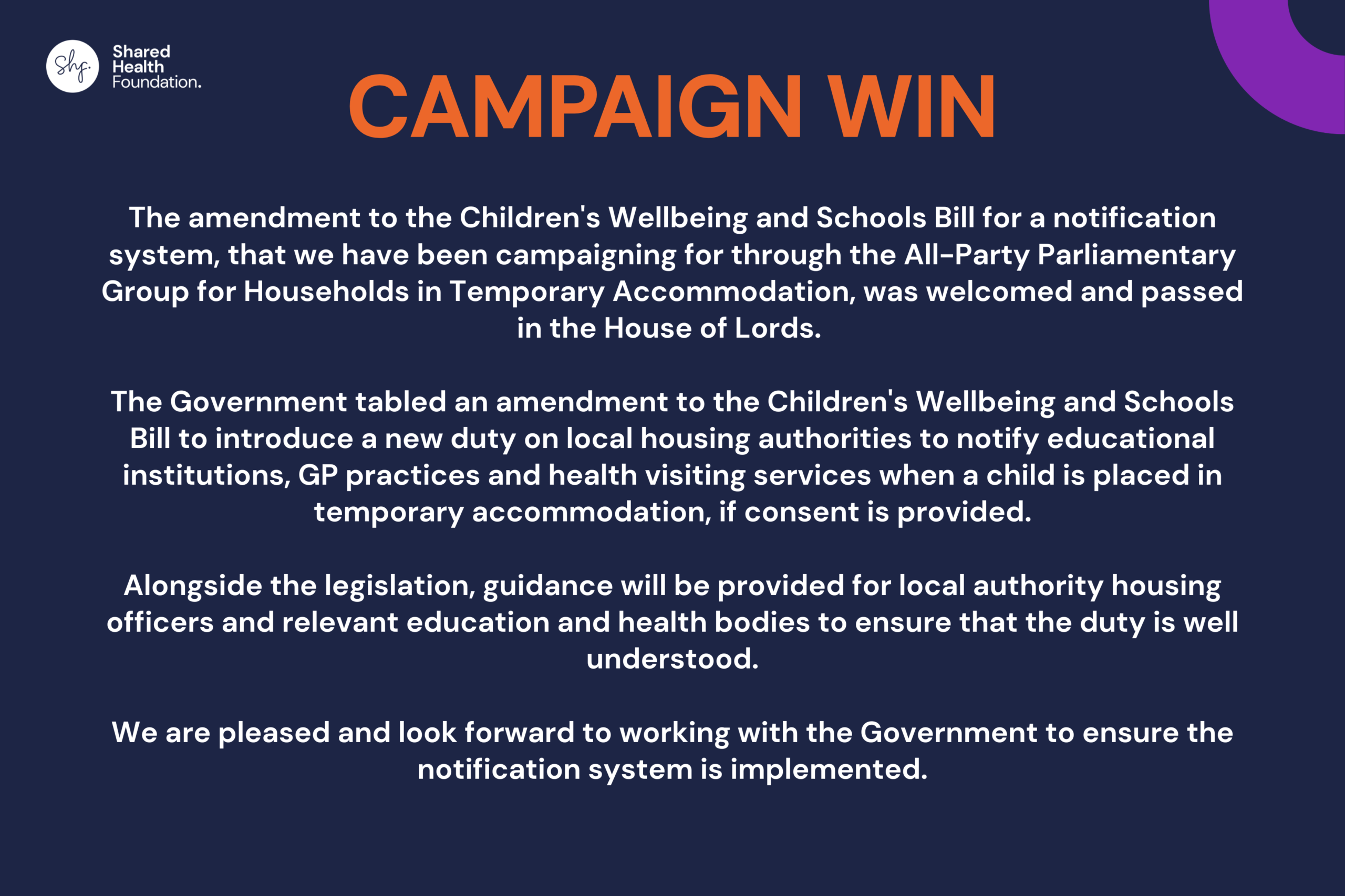
On Monday, 19th January 2026, the amendment to the Children’s Wellbeing and Schools Bill for a notification system was welcomed and passed in the House of Lords. 

The Government tabled an amendment to the Children’s Wellbeing and Schools Bill to introduce a new duty on local housing authorities to notify educational institutions, GP practices and health visiting services when a child is placed in temporary accommodation, if consent is provided.

The amendment was passed in the House of Lords during the Bill’s Report Stage.

This comes after continuous campaigning from Shared Health Foundation for a notification system as co-secretariats of the All-Party Parliamentary Group for Households in Temporary Accommodation through the APPG’s SAFE Protocol Campaign.

Alongside legislation, guidance will be provided for local authority housing officers and relevant education and health bodies to ensure that the duty is well understood.

We have worked in collaboration with local authorities, schools, health professionals and families with lived experience of homelessness, to develop Guidance for Local Authorities, Primary Care and Schools. We know that a little can go a long way in providing children and their families with a sense of hope during a very difficult time, and that Health and Education services are well-placed to provide the stability that homeless families need to continue to thrive.

We look forward to working with the Government to ensure that the notification system is implemented.

Watch the full discussion from the House of Lords below:

To apply, send your CV and a cover letter to contact@sharedhealth.org.uk

Job Description:

Job Title: Business Development Lead

Hours: Part-time, 30 hours/week

Location: Shared Health Foundation office, Oldham

Salary: £35,000-£37,000 depending on experience, pro rata.

Reports to: CEO

Responsible for: Operational delivery of projects, internal systems, HR and business development.

Application deadline: 27/02/2026

About Shared Health Foundation

Shared Health Foundation is a not-for-profit organisation based in Greater Manchester that aims to reduce the impact of poverty on health. We are clinically led and evidence based and are passionate about social justice in areas of deprivation. Both our on the ground initiatives and systems change policy and political work are both rooted in people’s lived experience with a solutions focused outcome.

Shared Health train GPs to work in areas of deprivation, the UKs only programme that specifically focuses on poverty, our homeless families support work sees breakthrough each and every day, our policy and political work is being adopted by the UK government and is regularly quoted in Parliament and our infant-parent psychology work is ground breaking and innovative.

We are looking for a Business Development Lead to join our small team to build on the success from the past 10 years. We want to make our support services sustainable and replicable, we want to make a bigger political and policy impact and want to constantly find and fight new inequalities that are seldom heard.

This role is strategic, financial and process driven and yet creative in its solutions. We are looking for a kind leader who wants to change the world and can help us build the infrastructure to do so.

Key Responsibilities

Operational Leadership & Systems Development

● Line manage project leads and monitor success of projects. Build on findings to

make projects sustainable and replicable.

● Work with clinical leads to monitor trends of inequalities, pilot new initiatives and

feedback to the policy team.

● Provide strategic leadership for direction of projects and organisational aims.

● Ensure compliance with relevant regulations (including data protection/GDPR),

companies house governance requirements and internal administrative standards.

● Oversee the development of a simple, practical monitoring, evaluation and reporting

framework to enable accurate tracking of reach, impact and performance across all

projects.

● Support internal reporting to the CEO and Board, and external reporting to funders,

partners and local authorities.

● Lead on HR process, recruitment and retainment.

● Support finance officer with payroll updates, budgeting and forecasting.

Person Specification

We’re looking for someone who:

● Is passionate about reducing health inequalities and has a heart for social justice.

● Has significant relevant experience in operation, leadership or management

generally in the voluntary or healthcare sector.

● Is highly organised, has strong digital literacy and is comfortable in coordinating

multiple projects and stakeholders.

● Understands data protection, compliance and risk.

● Has strong financial literacy and experience with budgets, forecasting and resource

planning.

● Is a leader that is calm, kind and solutions-focused.

● Communicates clearly, constructively and collaboratively.

Application deadline: 27/02/2026

To apply, send your CV and a cover letter to contact@sharedhealth.org.uk

On Thursday, 11th December 2025, the Government has released its Homelessness and Rough Sleeping Strategy, committing to support for households in Temporary Accommodation. 

Over the past few years, Shared Health Foundation has been campaigning hard to improve Temporary Accommodation for children and families. We are delighted to see that our campaign asks have been implemented in both the Homelessness and Rough Sleeping Strategy and the Child Poverty Strategy released last week.

1. Recognition of the risk of child mortality in Temporary Accommodation. The APPG for Households in TA’s report on Child Mortality in Temporary Accommodation quoted throughout the Homelessness Strategy, with a commitment to reducing mortality.

2. Ending the use of B&Bs for families unless absolutely unavoidable.

3. Introduce the SAFE protocol to alert GPs and schools of a child’s homelessness.

4. Shared Health pilots of the SAFE protocol recognised as a success.

5. Introduce a clinical code for all children living in Temporary Accommodation to better identify and prevent incidents.

6. Commitment to reducing educational impact and children being off-rolled through better data collection and best practice.

7. Recognition of ‘The Debt Trap’ findings around the impact of domestic abuse on families in Temporary Accommodation. Commitment to address the barriers faced by survivors of domestic abuse when applying for social housing.

We have been calling for these policies for a long time, and it’s heartening to see the Government’s commitment to improving Temporary Accommodation for children and families.

We also welcome and support the following additional changes announced in the Homelessness and Rough Sleeping Strategy:

1. Set a new national target to prevent homelessness for more households and to help more people into stable homes quickly, this parliament.

2. Place new legal duties on public services to identify, act and collaborate to prevent and address homelessness.

3. Require every council to publish an action plan to accompany their local homelessness strategy.

4. Publish progress reports at least every two years to track progress at a national level against our actions and targets.

Dr Laura Neilson, CEO of the Shared Health Foundation, said:

“It is heartening to see that Ministers have heard the plight of the record number of children and families who are homeless. Alongside the Child Poverty Strategy, this Homelessness Strategy is ambitious in reducing the impact of homelessness on families. 

We urge the Government to continue to show brave leadership and look forward to working together to go faster and beyond what is outlined today. 

Homelessness should be rare, brief and non-recurring and not be detrimental to the life chances of children and young people.”

We look forward to working closely with Ministers and the sector to ensure that all actions announced in the strategies are implemented with urgency.